
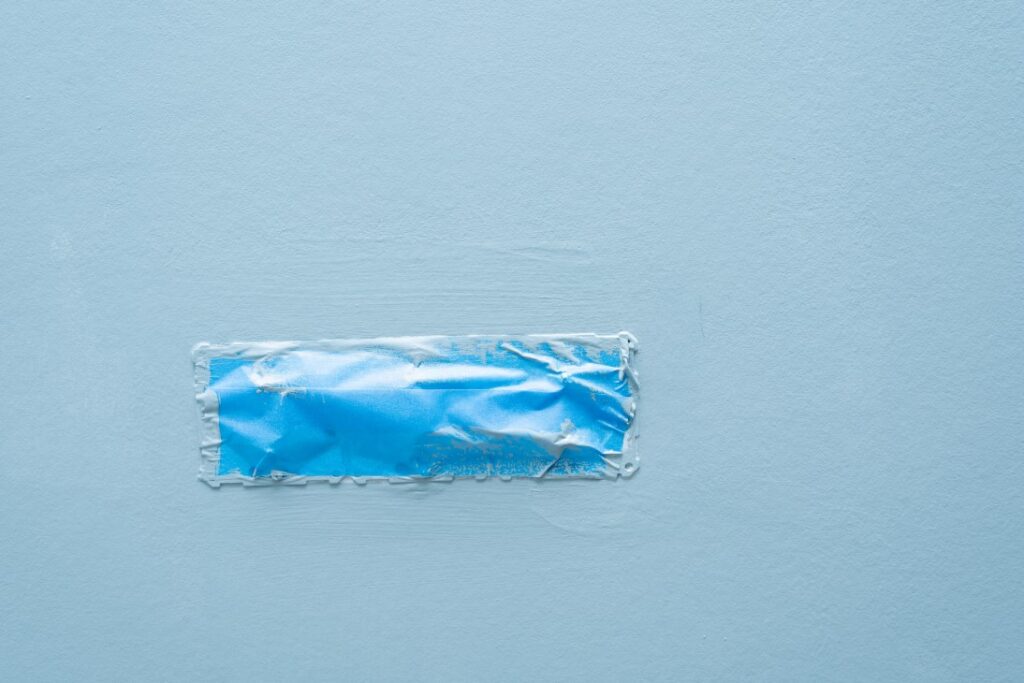
How to Remove Sticker Residue Using Your Everyday Home Items
Removing sticker residue does not have to be a struggle. With the right household items, you can clean it off smoothly and safely.
By:
The Good Home Daily
Posted on June 4, 2025
You just brought home something new. It looks great, until you spot that pesky price tag sticker. You try to peel it off, hoping for a clean finish, but instead, you’re left with annoying sticker residue.
Removing sticker marks, no matter how small, can be surprisingly hard. And over time, it collects dust and dirt, making things look even grosser. And it is not just about looks. These sticky patches also attract germs and bacteria.
One study found that occlusive tapes—those without antibacterial properties—can promote bacterial growth of over a million bacteria per square centimeter.
The good news is that there are many safe ways to remove these sticky marks without damaging your item. In fact, you can clean off sticker residue using things you likely already have at home.
In this guide, you will learn easy and effective ways to get rid of sticker residue from glassware, wooden surfaces, and even delicate books.
8 Common Household Items that Remove Sticker Marks
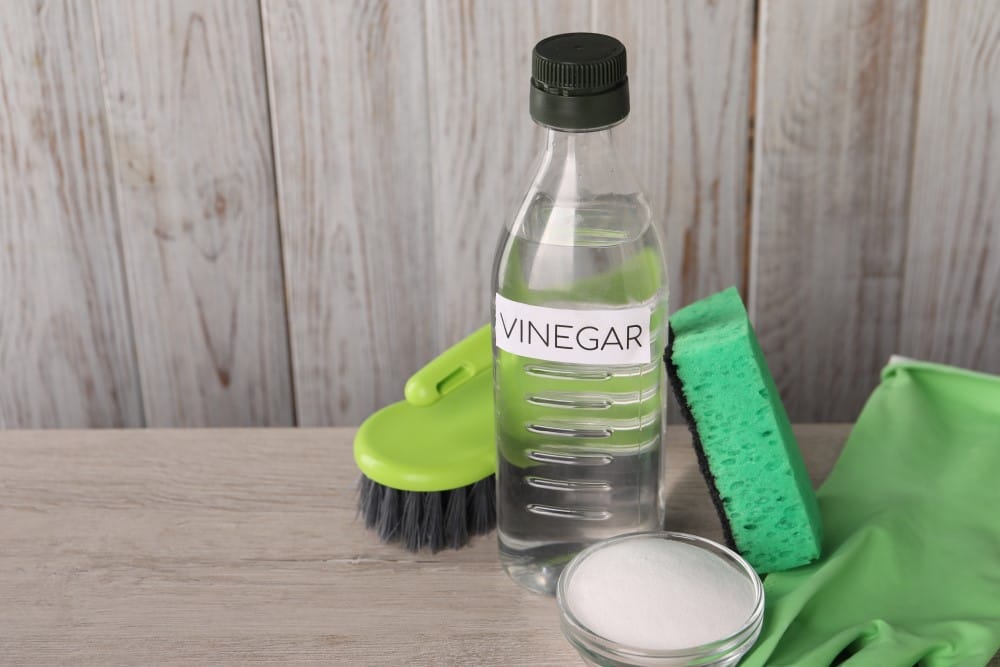
As mentioned, some everyday items in your home can handle sticky residue. Believe it or not, these things are just sitting in your kitchen cabinet, medicine kit, or even inside your bag right now.
Here are some common household items that will help you get rid of sticker glue for good:
1. Rubbing Alcohol (Isopropyl Alcohol)
You can use rubbing Isopropyl Alcohol to dissolve adhesives. Why is it so effective? Adhesives in stickers are typically made of polymers and resins that don’t mix well with water. Rubbing alcohol, on the other hand, can loosen their grip, allowing you to wipe them off easily.
What’s more, it evaporates quickly, leaving little residue of its own.
To use it, simply apply a small amount of rubbing alcohol for sticker residue onto a clean cloth or cotton ball. Gently rub the sticky area in a circular motion. You can use this for glass surfaces and plastics.
2. Oils
It might seem counterintuitive, but yes, oil can definitely remove adhesives, including sticker residue. In fact, oil is one of the best options for cleaning sticky marks because it is gentle on many surfaces. You can use any cooking oil like canola, coconut, vegetable, or olive (though that can be a bit expensive).
Why is cooking oil effective in removing adhesives? The fatty compounds in oils help to saturate and break down the chemical bonds in many types of glue. So, it loosens the adhesive’s grip on the surface without being abrasive.
To use oil in removing sticker marks, simply apply a thin layer of oil directly over the sticky area. Let the oil sit for 15 to 30 minutes, depending on how stubborn the residue is. Afterward, wipe away the softened residue with a clean cloth.
Since oil is non-abrasive, it can be safely used on many materials such as plastic, metal, glass, fabric, and even wood.
3. Spreads Such as Mayonnaise and Peanut Butter
It might sound odd, but your favorite sandwich spreads, specifically mayonnaise and peanut butter, are surprisingly effective at wiping off sticker residue. This is thanks to the natural oils and fats in these spreads.
Mayonnaise and peanut butter act in a similar way to liquid cooking oils, but their thicker consistency can make them easier to apply. They also stay in place on vertical or irregular surfaces.
To use peanut butter or mayonnaise for sticker removal, simply apply a generous dab directly onto the sticky area. Leave it there for 15 to 30 minutes to allow the oils to penetrate and break down the glue. Once the time is up, use a clean cloth or a soft brush (like an old toothbrush) to gently rub away the residue.
Mayonnaise and peanut butter are also gentle on materials. That means you can use them to many surfaces such as plastic, glass, and even some finished wood surfaces.
4. White Vinegar
Vinegars are among the most versatile items in your kitchen. They can be used in marinades, dressings, sauces, as deodorizers, and as cleaners. To add to this long list of uses, vinegar can also help remove residue from stickers and other adhesive tapes.
Vinegar is an effective tool against sticky residue because it contains mild acetic acid. This characteristic helps dissolve and break down adhesives, making them easier to wipe away.
To use vinegar for sticker residue, dampen a clean cloth or sponge with undiluted white vinegar. Press it onto the sticky area and let it sit for 5 to 30 minutes to allow the acid to penetrate the glue.
For more stubborn residue or items that can be soaked, you can immerse the item in a bowl of vinegar for a short period. After soaking, gently rub the area to loosen and remove the residue.
Vinegar can safely remove label residue from hard plastics, jars, and glassware. While it can be used on some finished wood surfaces, we suggest testing it first on a small hidden area, as prolonged contact can sometimes affect finishes.
5. Acetone or Nail Polish Remover
For particularly stubborn or dried-on sticker residue, acetone or nail polish remover can be incredibly effective. Acetone is a very strong solvent that rapidly dissolves many types of adhesives by breaking down their chemical bonds.
To use acetone for sticky residue, apply a small amount to a cotton ball or the corner of a clean cloth. Lightly dab and gently rub the sticky area. You should see the residue dissolve quickly.
Acetone can be safely used on glass and ceramic surfaces. However, be cautious when using acetone on other materials, as it can cause discoloration. Never apply acetone to delicate or unknown surfaces without first testing it on a very small, hidden area.
6. Hot Soapy Water
We know we told you that water doesn’t work well with stickers. However, you might get a different result if you increase the temperature a bit and add a little soap. This is because hot water softens the paper and the adhesive, while the soap helps break down any greasy components of the glue, allowing it to lift away easily.
To use hot soapy water for sticker residue, fill a sink or basin with hot water and add a few drops of dish soap. Submerge the item with the sticker residue and let it soak for at least 15 to 30 minutes, or even longer for very old or stubborn labels.
After soaking, you should be able to peel off or gently scrub away the sticker and its residue with a sponge, cloth, or even your fingernail.
7. Hair Dryer
This is the only non-liquid sticker remover on this list. And unlike the previous solutions, which are used to wipe off residue, a hair dryer helps remove the sticker itself, without leaving any sticky marks behind.
The heat from the hair dryer softens the adhesive, making it more pliable and much easier to peel or scrape away cleanly.
To use a hair dryer for sticker removal, hold the dryer a few inches away from the sticker and direct hot air onto the area. Move the dryer around to ensure even heating. After 30 seconds to a minute (or once the adhesive feels warm and soft), slowly peel off the sticker. If any residue remains, gently scrape it off with a plastic scraper, an old credit card, or your fingernail.
This method is generally safe for most surfaces, including glass, plastic, and finished wood. However, use caution on heat-sensitive materials or delicate painted surfaces.
A Guide to Cleaning Sticker Residue from Specific Items
Now that we’ve covered the household items that effectively remove adhesive residue, it’s time to get specific. Different surfaces require different approaches, even when using the same cleaning agents.
So, let’s break down the safe methods and steps for removing sticky marks from various materials.
1. How to Remove Sticker Residue from Glasses and Mirrors
Best Cleaning Agents for Glass and Mirrors:
- Rubbing Alcohol
- Hot Soapy Water
- Acetone
- Oils
- Peanut Butter or Mayonnaise
- Hair Dryer
Tips to Erase Sticker Marks from Glass and Mirrors:
Glass is often the most forgiving surface, so you can use most of the cleaning agents we mentioned above. However, we still recommend testing on a hidden spot first, especially if you’re cleaning delicate items. After applying your chosen cleaning material, let it sit for 15 to 30 minutes. Always finish with a glass cleaner for a truly spotless result.
2. How to Clean Off Sticker Residue from Fabrics and Clothes
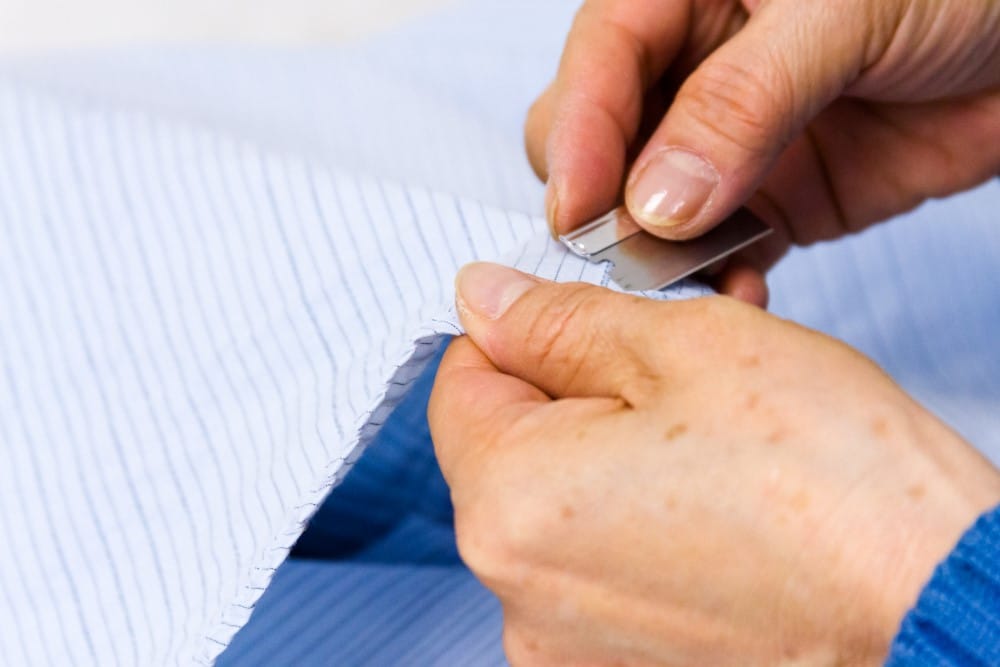
Best Cleaning Agents for Fabrics and Clothes:
- Hot Soapy Water
- Oils
- Vinegar
- Acetone (but be extra careful)
Tips to Remove Sticker Marks from Clothes and Fabrics
When you notice sticker marks on any fabric, clean off the residue immediately to prevent stains and keep the glue from setting deeper into the fibers. When working with synthetic fabrics, we recommend freezing the clothes first before applying your chosen cleaning agents. The cold temperature will harden the adhesive, making it easier to peel or scrape off.
Now, if there’s still residue on the clothes, you can use the cleaning agents we recommended from above. Work from the outside of the stain inwards to prevent spreading the residue further.
You can use acetone to remove Sticker Residue from Fabrics and Clothes; however, be very cautious. Only use acetone on non-acetate fabrics. If you use it on acetate or triacetate, it can melt the fabric. These materials are often found in satin, taffeta, and silk-like synthetics.
If residue remains after washing, repeat the treatment before drying. This is because the heat can permanently set the glue.
3. How to Remove Sticker Residue from Plastics and Vinyl
Best Cleaning Agents for Plastics and Vinyl:
- Oils
- Peanut Butter or Mayonnaise
- Hot Soapy Water
- Rubbing Alcohol
- Hair Dryer
Tips to Remove Sticker Marks from Plastic and Vinyl
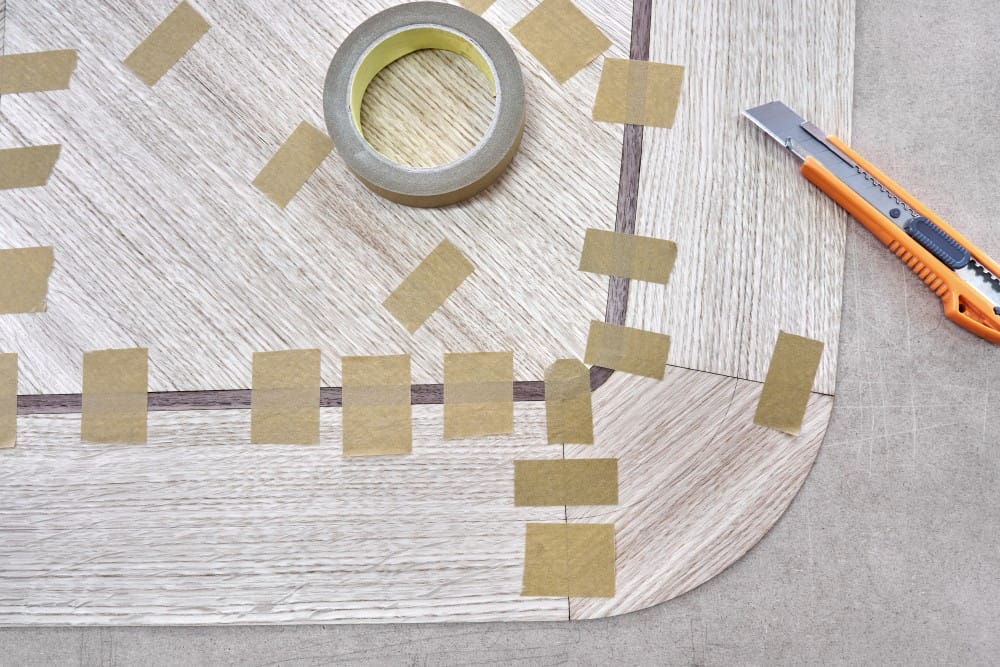
Plastic can be tricky due to its varying types and sensitivities. The main goal here is to remove the sticker glue without melting, clouding, or scratching the plastic surface.
Apply one of the recommended cleaning agents above and let it sit for 5 to 30 minutes, or until the sticker is completely softened. For extra stubborn sticker marks, you may need to use a scraper. Be sure to use plastic tools like an old credit card or spatula to prevent scratching.
4. How to Remove Sticker Residue from Wooden Furniture
Best Cleaning Agents for Wooden Furniture:
- Oils
- Peanut Butter or Mayonnaise
- Hair Dryer
- Vinegar (Use with Extreme Caution)
Tips for Cleaning Sticker Residue from Wooden Furniture:
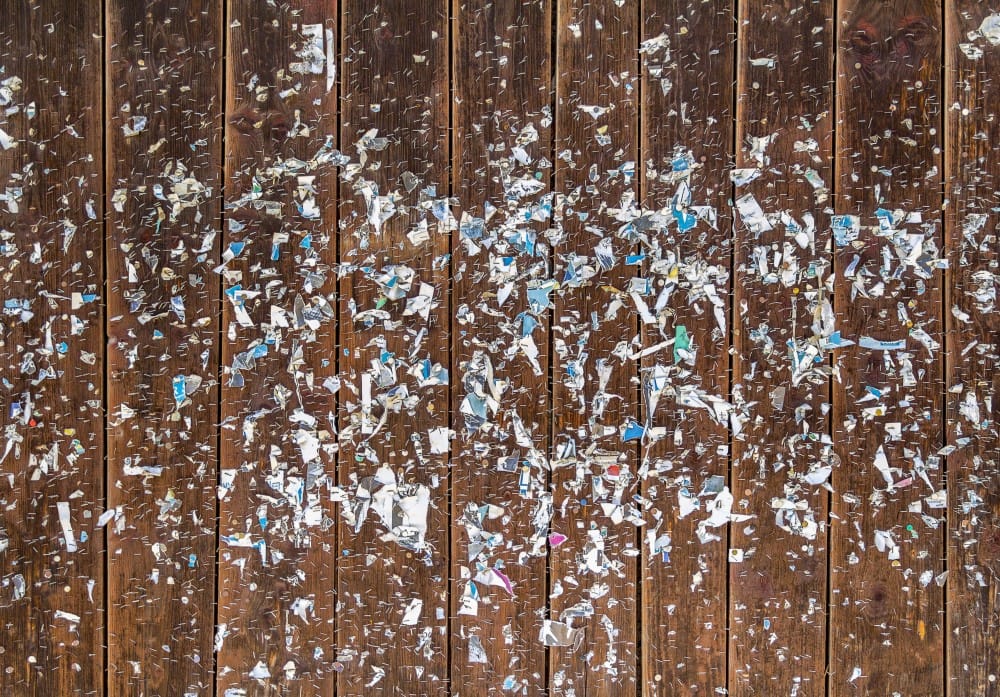
Wood surfaces, especially finished ones, are susceptible to damage from harsh chemicals, excess moisture, or aggressive scrubbing. So, if you’re going to remove sticky marks, you need a gentle approach.
Cooking oils and spreads such as peanut butter and mayonnaise are among the safest and most effective ways to remove sticker residue from wood. Apply a small amount, let it sit for a few minutes (10–15 minutes for stubborn glue), then gently rub with a soft cloth in the direction of the wood grain.
Vinegar is also an option, but use it with extreme caution. We recommend diluting the vinegar (1 part vinegar to 1 part water) and applying it sparingly to a cloth. Test carefully on finished wood, as prolonged contact can dull or strip the finish. Wipe immediately after use and dry thoroughly.
5. How to Remove Sticker Residue from Paper, Books, and Cardboard
Best Cleaning Agents for Paper, Books, Cardboard:
- Hair Dryer
- Rubbing Alcohol (Use with Extreme Caution)
Tips to Erase Sticker Marks from Paper, Books, and Cardboard
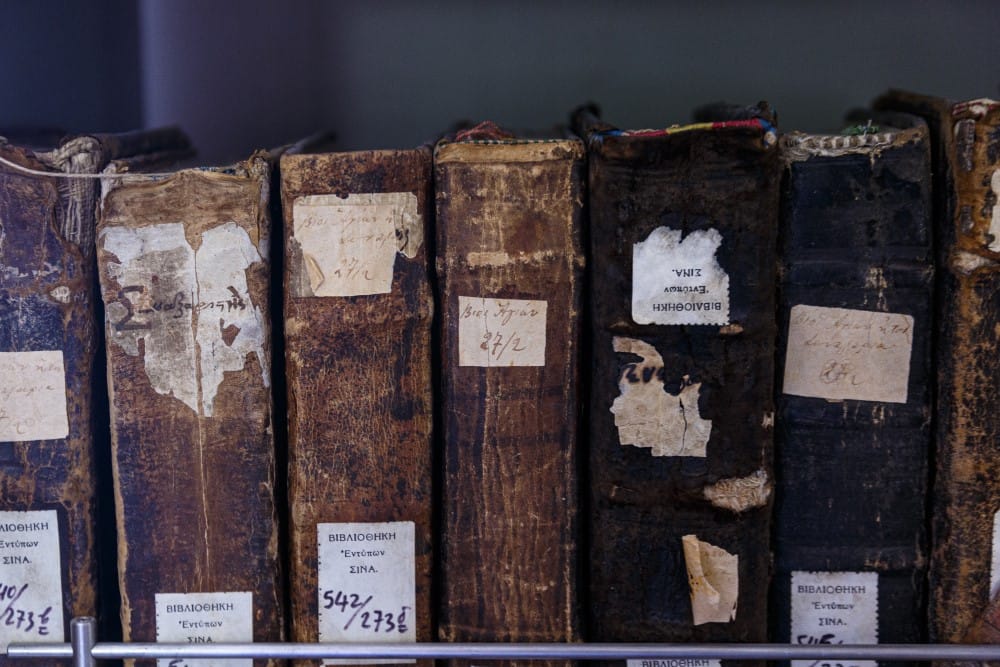
Removing sticker marks from paper and cardboard is very challenging. These are porous materials, so liquids can easily stain, warp, or damage them.
Using a hair dryer is your safest bet. Set it to low heat and gently warm the adhesive, keeping the dryer moving constantly. Then try to peel the sticker or carefully rub off the residue using your finger or a clean, soft eraser.
On glossy books and laminated paper, you can use rubbing alcohol to remove sticky marks. Apply a tiny dab on a cotton swab directly to the residue, then immediately blot it dry with a clean tissue.
Some Cleaning Reminders
Cleaning sticker marks can definitely be challenging. But hopefully, this guide has shown that you can remove them easily using a few household items. Just a reminder, always test in an inconspicuous area first to ensure safety.
Whatever method you choose to clean those sticky marks, take it slow. Patience truly pays off when it comes to dissolving stubborn glue.