
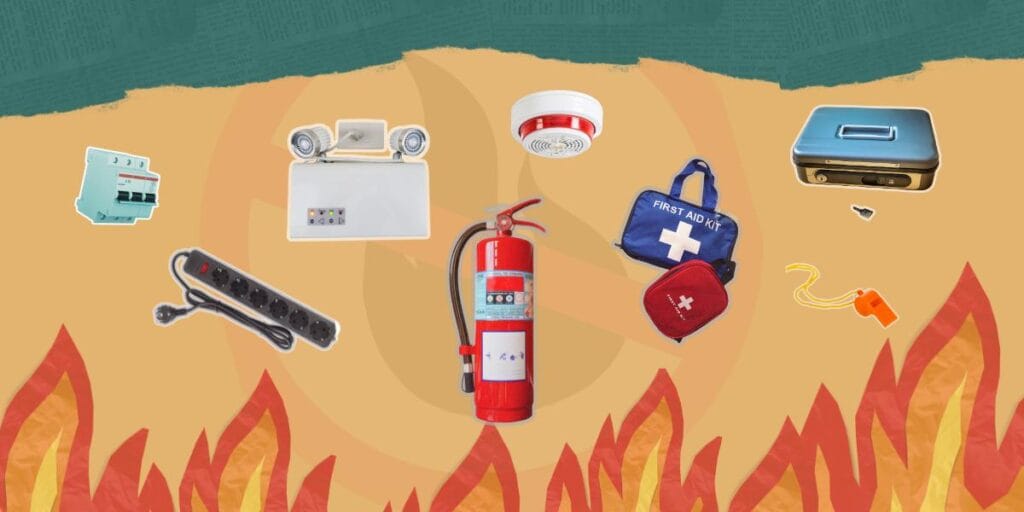
What are the Fire-Safety Items Every Home in the Philippines Should Have? (Complete Guide & Buying Tips)
Fire incidents peak in summer. Here are the must-have fire safety items for homes, from detection to suppression.
By:
The Good Home Daily
Posted on March 24, 2026
March officially marks the start of Fire Prevention Month in the Philippines. While we typically associate this time with the onset of summer, a record-breaking cold snap from the Amihan (northeast monsoon) has chilled large parts of the country. But don’t let the nippy weather fool you; we are officially entering the fire-peak months.
Despite the cool breeze, fire incidents are on a dangerous rise. The Bureau of Fire Protection (BFP) reported 2,699 fire cases from January to February 2026. This is an 8% increase compared to the same period last year.
Once again, these growing numbers have put the spotlight on fire preparedness at home. Equipping your house with the proper firefighting tools is a vital step in making your property more fire-resistant.
While it’s true that we cannot control every emergency, having the right fire safety supplies and equipment can keep your family safe during a catastrophe. In this guide, we’ve created a comprehensive checklist to help you with fire prevention, detection, suppression, and preparation.
5 Fire Prevention Items to Stop Fires Before They Start
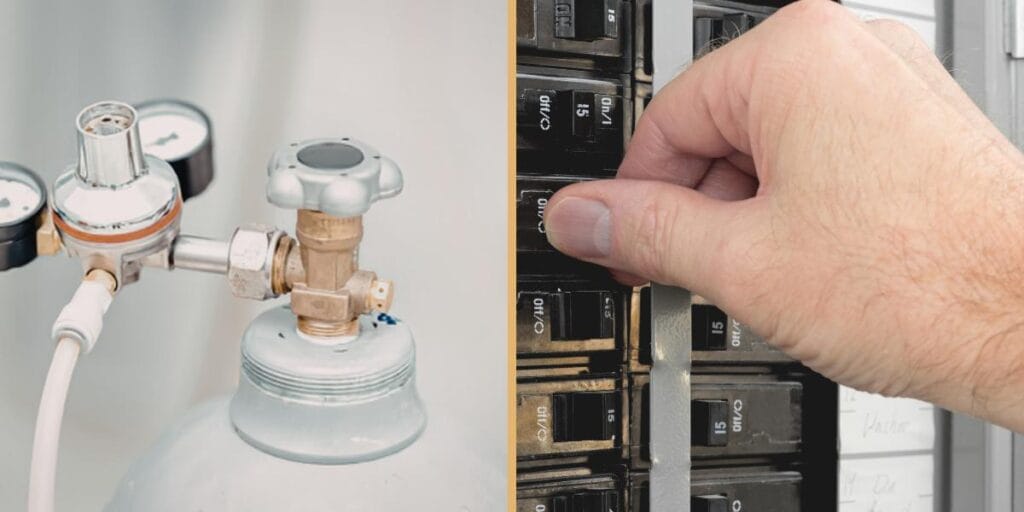
The best way to survive a fire is to prevent one from ever starting. In 2025, the BFP identifies electrical issues and open flames as the leading causes of residential fires.
By investing in these five fire prevention tools, you can eliminate common hazards before they turn into a crisis.
1. High-Quality Circuit Breakers
Think of your circuit breaker as the “brain” of your home’s electrical system. During the summer heat, many households will likely use air conditioning units and other cooling appliances simultaneously. This will put a massive strain on old wiring.
A high-quality breaker will trip immediately if it senses an overload, preventing wires from melting and sparking a fire.
2. DTI-Certified LPG Regulators and Hoses
According to raw data from the Freedom of Information (eFOI) portal, the Bureau of Fire Protection (BFP) recorded 118 fire incidents directly linked to LPG explosions in 2023. This data revealed that a defective hose line was the top cause with 54 incidents, followed by a defective regulator with 23 cases.
The danger of these two components far outweighs other hazards. For comparison, the BFP noted only 20 cases caused by electrical sparks, 15 cases from defective tanks, and a mere 6 cases involving a defective stove.
This highlights the life-saving importance of using high-quality accessories for your LPG. A gas leak is an everyday threat in the kitchen, so you should never settle for unbranded regulators. Always ensure your set has the DTI-certified PS or ICC mark because these are specifically designed to withstand high pressure and prevent leaks that lead to explosions.
3. Surge Protectors for High-Wattage Appliances
Power fluctuations are common in the Philippines. Plugging your refrigerator, computer, and other high-wattage appliances into a dedicated surge protector prevents voltage spikes from overheating the appliance’s internal motor.
A surge protector monitors the electricity coming from your wall outlets. When it detects a sudden spike in voltage, it immediately blocks the excess energy and safely diverts it into the ground wire.
4. Rechargeable Emergency LED Lamps
In many rural areas, frequent brownouts and power outages are an inescapable reality. While candles are still a common go-to light source, an unattended open flame remains one of the leading causes of residential fires.
Switching to a rechargeable emergency LED lamp is a much safer, stress-free alternative. These lamps stay plugged into your wall and automatically activate the moment the power cuts out.
Because they are equipped with internal batteries, they also recharge themselves whenever electricity is available.
5. Fire-Retardant Curtains
Most modern Philippine homes use lightweight, breezy fabrics for ventilation, especially during the humid summer months. However, if these curtains are near a kitchen stove, a table with candles, or even a stray mosquito coil, they can catch fire in seconds.
For areas near heat sources, we recommend switching to fire-retardant curtains to instantly upgrade your home safety.
These curtains are treated with special chemicals that make them resistant to ignition. If a flame touches the fabric, it will char or melt slowly rather than bursting into a blaze.
4 Essential Fire Detection Items for Early Warning
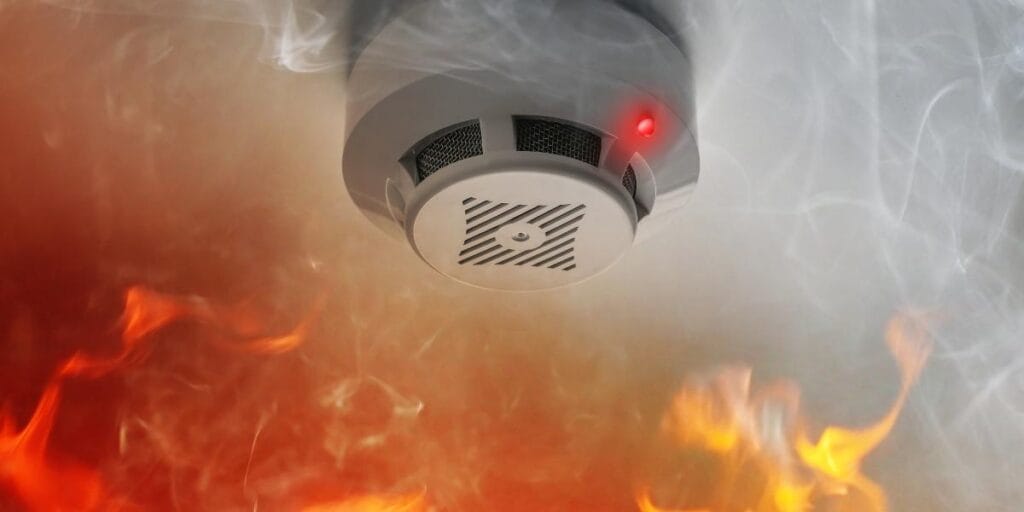
A reliable early warning system in place ensures that your family has enough time to evacuate or put out a small fire before it becomes a full-blown emergency.
1. Smoke Detectors
A smoke detector is one of the most important safety devices you can have at home. It detects smoke early and sounds an alarm before a fire spreads, especially while your family is asleep.
When shopping for a unit, look for models that are battery-operated. This ensures the device still works perfectly even during a “brownout” or a sudden power failure. Just remember to replace the batteries regularly so they are ready to go when you need them most.
For the best protection, place one in every bedroom and install extra detectors in your hallways and near the kitchen.
2. LPG Leak Detector or Gas Alarm
This specialized device is designed to detect gas before you can smell it. Since many fires in the Philippines start with a leaking tank or a loose hose, this small plug-in alarm provides a critical warning by sounding a loud siren the moment it detects even a small amount of gas in the air.
Remember that LPG is heavier than air, meaning it will sink and spread across the floor first. To get the most accurate reading, place the device near the floor—about 30cm up—and within a few meters of your kitchen stove or tank.
3. Heat Detectors
Heat detectors are designed to respond to sudden increases in temperature rather than smoke. This makes them ideal for areas like kitchens or garages where smoke or steam is common.
Switching to a heat detector helps reduce false alarms, as it only triggers when the room reaches a dangerously high temperature. Keep in mind, however, that it works best as a complement to smoke detectors, not a replacement.
4. Fire Alarm System and Interconnected Alarm Systems
A fire alarm system provides a more advanced level of protection by connecting multiple alarms throughout your home. When one device detects smoke or heat, all alarms are triggered at the same time, ensuring everyone is alerted immediately.
This setup is especially useful for larger homes, condos, or multi-level spaces where a single alarm may not be heard from another room
2 Fire Suppression Items to Control Fires Quickly
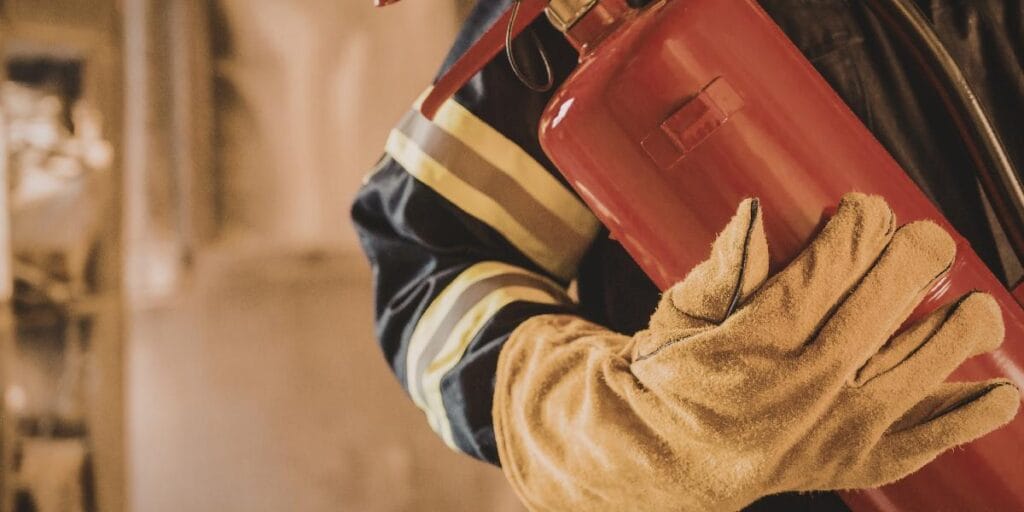
When a fire starts, every second matters. Having the right suppression tools at home allows you to act immediately and control small fires before they spread
1. Fire Extinguisher
A fire extinguisher is one of the most important tools for controlling fires in their early stages. Believe it or not, there are multiple types of fire extinguishers. An ABC-type extinguisher is recommended for most households as it can handle common fire sources.
It works on:
- Class A – ordinary materials like wood, paper, and fabric
- Class B – flammable liquids such as gasoline, oil, or paint
- Class C – electrical fires from appliances, wiring, or outlets
Place fire extinguishers in accessible areas such as the kitchen, near exits, or in living spaces. Make sure everyone at home knows how to use it properly, and check regularly to ensure it is in working condition.
2. Fire Blanket
A fire blanket is a simple yet effective tool for putting out small fires, especially in the kitchen. It works by smothering flames and cutting off the oxygen supply, making it ideal for grease fires or burning objects.
Keep a fire blanket within easy reach in high-risk areas like the kitchen and garage. It is easy to use, requires minimal training, and provides a quick response option before a fire grows out of control.
6 Fire Preparedness Items to Keep Your Family Ready
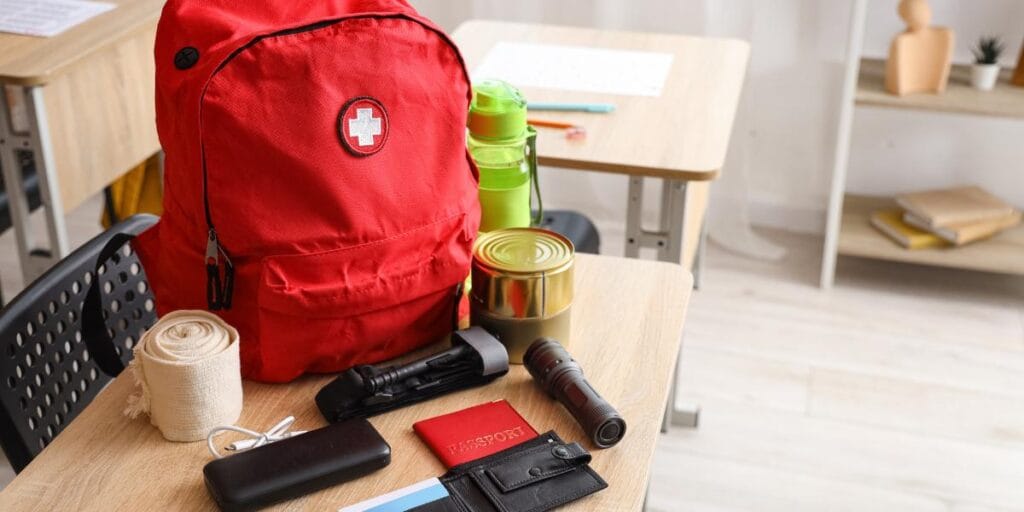
No matter how many fire-resistant materials you have, some fires are simply unavoidable.
If a fire does occur, these fire-safety items can help you react quickly and evacuate safely, even in high-stress situations.
1. Fire Vault / Safe
A fire-resistant safe or vault protects important documents, cash, and valuables. Having one ensures that critical items like property papers, passports, or insurance documents remain intact during a worst-case scenario.
2. Fire Escape Ladders
For multi-level homes or condos, a fire escape ladder provides a safe exit route if the main stairs are blocked by fire. It can be quickly deployed from windows, giving family members a secure way to escape.
Regularly check the ladder for wear and tear and practice using it so everyone knows how to deploy it safely. Being familiar with escape routes can dramatically improve response time in a real emergency.
3. First-Aid Kit
A first-aid kit is crucial for treating minor injuries that may occur during a fire evacuation. It should include bandages, antiseptics, burn creams, and other basic medical supplies for quick response. Keep the kit in a well-marked, easily accessible location and familiarize your family with its contents.
4. High-Intensity LED Flashlight
Fires often lead to power outages, and smoke can make a room pitch black even during the day. A high-intensity LED flashlight is essential for cutting through thick smoke and lighting your path to safety. It’s best to keep one in your bedside drawer and another in your Go Bag.
5. Emergency "Go Bag"
In the rush to evacuate, you won’t have time to look for your most important belongings. An emergency “Go Bag” is a pre-packed, waterproof bag kept near your exit that contains essentials like water, non-perishable food, and important documents.
In fact, you can also keep other fire-safety items we mentioned above, such as a flashlight and a first-aid kit. Keep it in check regularly to ensure all items are up to date and ready.
6. Emergency Evacuation Whistle
In a heavy fire, smoke can make it impossible for rescuers to see you, and yelling for help can quickly exhaust you or cause you to inhale dangerous fumes. In this situation, a simple, high-pitched whistle is a vital communication tool. We recommend attaching a whistle to your Go Bag or keeping it on your bedside table to signal your location without straining your lungs.
6 Tips for Buying Fire Safety Items for Your Home
To ensure you are investing in tools that actually work when it matters most, keep these buying tips in mind:
1. Look for Official Safety Certifications
Always look for the PS (Philippine Standard) Mark or the ICC (Import Commodity Clearance) sticker. These are issued by the Department of Trade and Industry (DTI) and guarantee that the product has passed mandatory safety and quality tests.
2. Beware of "BFP Approved" Claims
Be cautious of sellers claiming their products are “BFP Approved.” According to BFP Memorandum Circular 2016-016, BFP personnel are strictly prohibited from selling or endorsing specific brands of fire extinguishers or other firefighting equipment.
If a seller attempts to force a specific brand or product on you, you can take immediate action by reporting them to the BFP E-Reklamo Desk at complaints@bfp.gov.ph or via the BFP complaint form. In cases where BFP personnel are directly involved in such solicitations, you may also file a formal ARTA complaint.
3. Stick to Reputable Brands. Don’t Compromise Safety!
Avoid unbranded or suspiciously cheap items from flea markets. While it’s tempting to choose the cheapest option, investing in high-quality, durable fire safety items is essential. Reliable tools could save lives and property during a fire, making the upfront cost worthwhile.
4. Match the Tool to Your Home’s Needs
Consider the layout and size of your home. Multi-level houses may need fire escape ladders, while apartments may benefit more from interconnected alarm systems.
5. Check Maintenance Requirements
Some tools require regular inspections, battery replacements, or refills to remain effective. Make sure you can commit to maintaining your equipment, from smoke detectors to portable power stations. Proper upkeep ensures your tools are ready when an emergency strikes.
6. Prioritize Battery Backups
Given the frequency of power outages in many areas, always opt for devices with a battery backup. A Wi-Fi smoke alarm is great, but it must still have a physical battery to sound the siren if the electricity cuts out during a fire.
Stay Safe with the Right Fire Safety Tools at Home
Fires can happen when we least expect them, but being prepared makes all the difference. By equipping your home with the right fire prevention, detection, suppression, and preparedness items, you’re giving your family the best chance to stay safe and respond quickly in an emergency.
Start today by checking your home for potential hazards, installing essential fire safety tools, and creating a plan your family can follow.
You can also explore adding a firewall in critical areas to further strengthen your home’s protection.
Don’t wait for a fire to happen. Take action now, secure your home, and make fire preparedness a priority for your family’s safety.