
You Are Forgetting to Clean These 10 Everyday Items at Home
Think your home is clean? You may be missing these forgotten cleaning spots and everyday items that collect dirt, bacteria, and buildup at home.
By:
The Good Home Daily
Posted on May 21, 2026
You probably clean your home regularly. However, if you are here, chances are something still feels off. You might even feel as though you are not cleaning enough. And you are likely right.
We often overlook specific areas of the home during a routine cleaning. In fact, many of these spots are things you touch every day, yet rarely think to disinfect.
In this house cleaning checklist, we will identify commonly missed spots and household items that deserve more attention. By the end of this guide, you will be able to make your cleaning routine more thorough and effective.
The 10 Most Overlooked Items in Your Home (And Why You Should Clean Them Now)
1. Door Handles
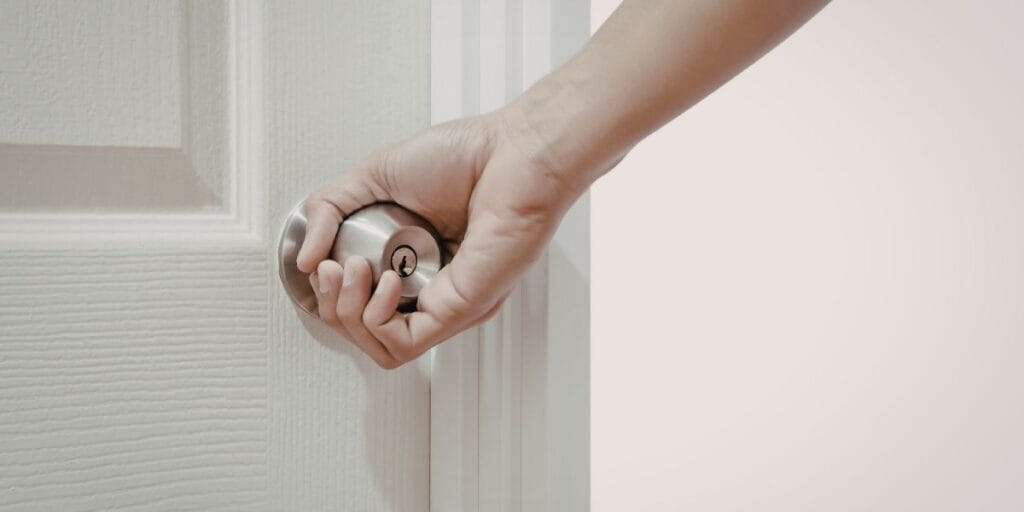
How often do you actually clean your door handles? Once a week? Once a month? Be honest, maybe never, right?
Door handles are often skipped during routine cleaning because they do not look visibly dirty. But they are actually among the dirtiest household items, especially in the bathroom.
A study found that toilet door handles have a 23% contamination rate, nearly triple that of other door handles at 7.75%. What’s more, the presence of E. coli and Salmonella was also found during the study. In case you don’t know, this indicates fecal contamination. Yuck!
Bacteria from these surfaces can easily transfer to your hands and onto everyday items like your phone, your desk, or even your kitchen. So, make sure to wipe door handles regularly using a disinfectant, especially in high-use areas.
2. Light Switches
Light switches are among the most touched surfaces in any home, yet they are often the most ignored when it comes to cleaning.
Did you know? Every time you turn the lights on or off, oils and dirt from your hands transfer to the surface. Over time, this builds up into a thin layer of grime that most people do not even notice.
When cleaning, do it safely. Use a dry or slightly damp cloth, and never spray liquid directly onto the switch. A disinfectant wipe works better, as long as it is not dripping wet. This helps remove buildup without risking moisture getting inside.
3. Shower Heads and Faucets
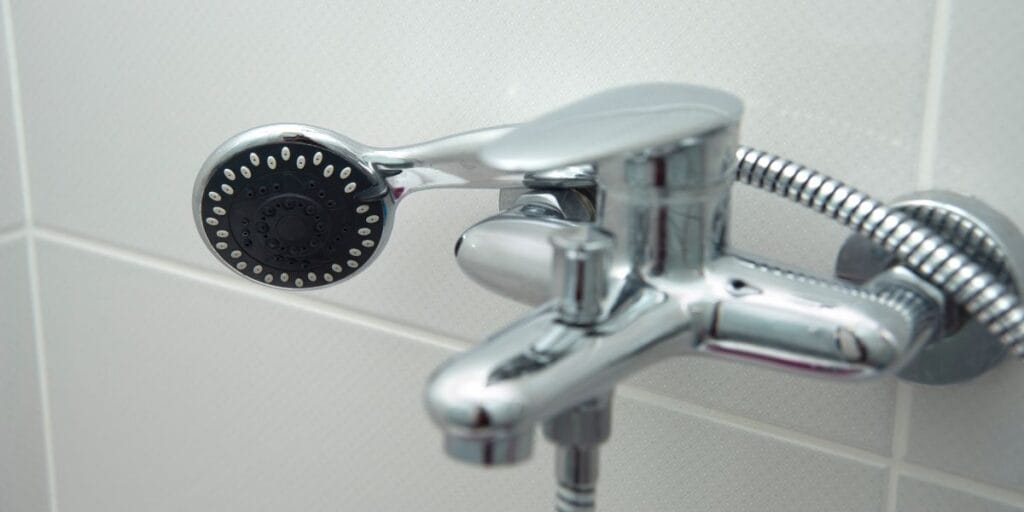
Shower heads and faucets constantly run water, but that does not mean they stay perfectly clean.
Research has found that shower heads can harbor biofilm, a buildup of microorganisms that thrive in moist environments. Over time, this buildup can affect both water flow and overall cleanliness.
One simple trick to clean your shower heads and faucet is by soaking the shower head or faucet in vinegar for around 30 minutes. The acidity helps break down mineral buildup and keeps water flowing properly.
4. Remote Controls
Remote controls are usually handled by multiple people, often while eating or after coming from outside. Yet, they are rarely cleaned.
In one study, TV remotes recorded an average of 67.6 colony-forming units (CFU) of bacteria per cubic centimeter squared. For context, environmental cleanliness guidelines in hospitals recommend a maximum of just 5 CFU per cubic centimeter squared. Even a more relaxed benchmark of 10 CFU is far below what was found on remotes.
This shows how quickly bacteria can build up on something we constantly touch. Wiping your remote regularly with a disinfectant or alcohol-based cleaner is a simple habit that helps reduce unseen germs in your home.
5. Toothbrush
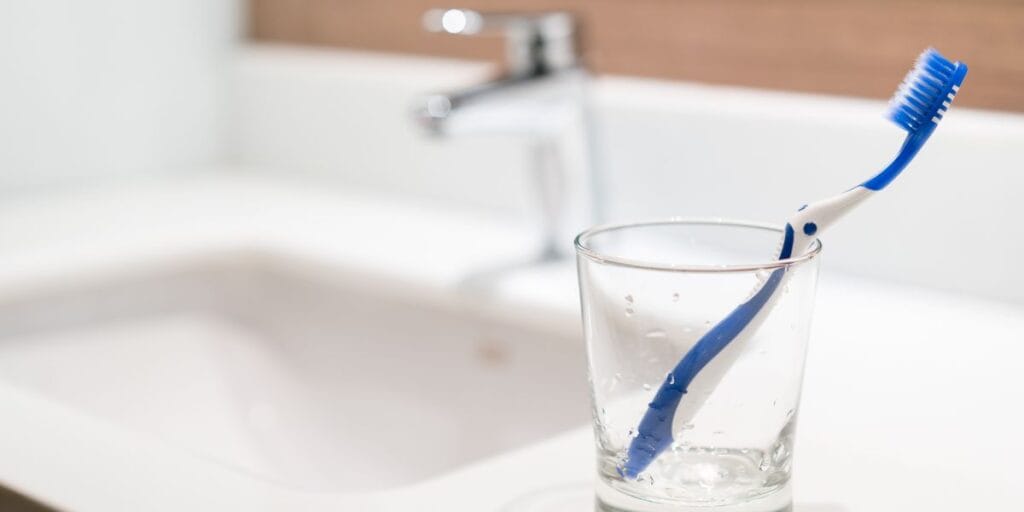
Where do you store your toothbrush? If it is inside your bathroom, you might want to pay closer attention to where it is placed.
Every time a toilet is flushed, it releases tiny particles into the air. This “toilet plume” can spread up to one foot in all directions. These particles can settle on nearby surfaces, including exposed toothbrushes.
To keep it cleaner, rinse your toothbrush with hot water before and after use. Store it in a covered container or drawer, and always let it air dry after brushing.
The way you use your toilet also matters. Make it a habit to close the toilet lid before flushing to help reduce the spread of particles in the air.
6. Mattress and Pillows
Mattresses and pillows are often forgotten when cleaning because of covers and pillowcases. Once everything is neatly covered, the bed looks clean and feels ready for sleep.
Out of sight and out of mind, right? Wrong!
An Ohio State University study estimates that anywhere from 100,000 to 10 million dust mites may be living in your mattress. While these are usually harmless for healthy individuals, they can be a concern for people with asthma or sensitive conditions. Their waste can trigger allergies, skin irritation, and even eczema in some cases.
To keep your mattress cleaner, vacuum it regularly and expose it to sunlight when possible. Wash pillowcases and bed covers weekly, and consider deep cleaning your mattress every few months to reduce buildup that you cannot see but may still affect your comfort and health.
7. Refrigerator
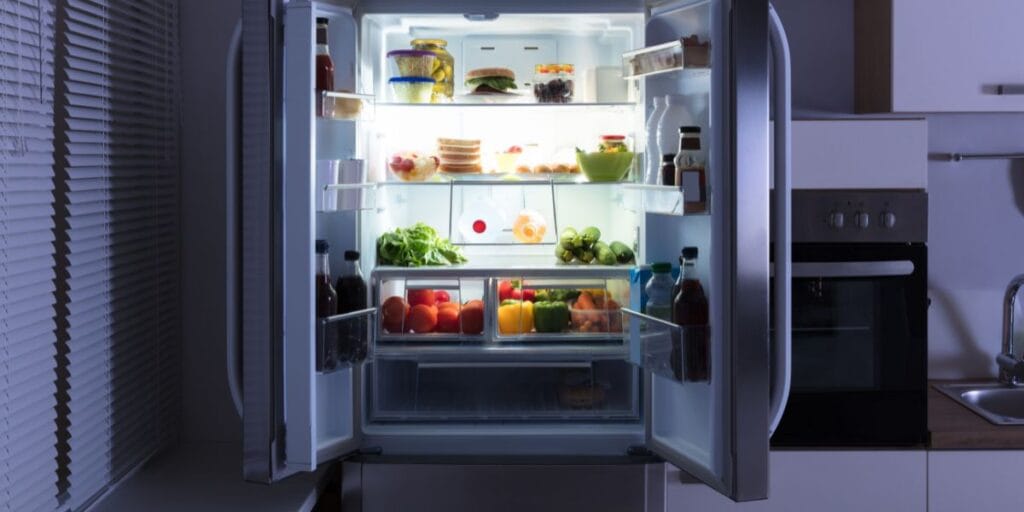
The refrigerator is the center of food storage, yet it remains one of the most overlooked appliances in the home when it comes to cleaning.
Bacteria from raw and spoiled food can also spread inside the fridge if it is not cleaned regularly. In fact, a study by Microban Europe found that salad drawers alone can contain an average of 7,850 bacteria per square centimeter.
To maintain a high standard of food safety, aim to wipe down shelves and check contents weekly. A deeper clean every month is also recommended to keep your refrigerator fresh and hygienic. To assist you, we have created a fridge cleaning guide based on expert recommendations to help you properly sanitize your fridge and protect your household.
8. Microwaves
Your microwave is used almost daily, yet it is often cleaned only when stains become visible. Food splatters and spills can build up over time, making it one of the most commonly missed cleaning spots at home.
Heat and moisture inside the microwave also create an environment where bacteria can grow if it is not cleaned regularly. This can affect both odor and overall performance.
Don’t worry, we created a simple microwave cleaning guide using basic kitchen items that anyone can follow. The steps are easy to do, so you can clean your microwave regularly, even as part of your daily routine.
9. Cleaning Tools
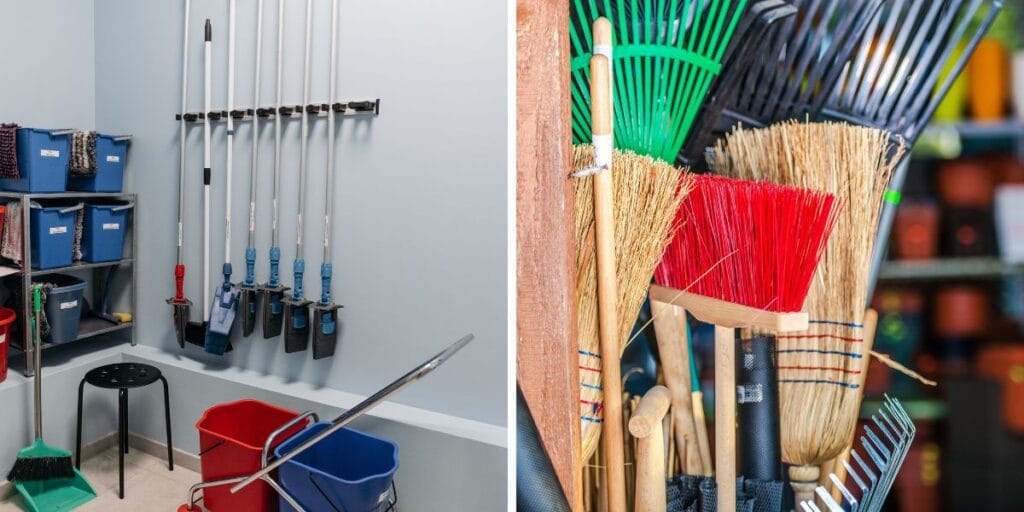
Even the things you use for cleaning need a little cleaning too.
Cleaning tools like sponges, mops, cloths, and scrub brushes often become some of the dirtiest items in the home. Instead of removing germs, they can end up spreading them if they are not cleaned or replaced regularly.
Rinse, disinfect, and dry your cleaning tools properly after use, or replace them when needed. Keeping your tools clean ensures that the cleaning you do around your home is actually effective.
10. Trash Bins (Inside and Outside)
We rarely clean our trash bin. But it is not because it is forgotten. We tend to intentionally ignore it because it is already associated with dirt. However, if your trash bin stays inside your home, it still needs regular cleaning too.
To clean it properly, empty the bin first, wash it with soap and water, then scrub both the inside and outside surfaces. Follow it up with a disinfectant to help remove lingering bacteria, and make sure it is completely dry before placing a new trash bag.
As a general rule, indoor trash bins should be cleaned at least once a week, especially in kitchens or high-traffic areas, to keep odors and buildup under control.
Keep Your Home Consistently Clean
Cleaning your home is not just about what you can see. As you have seen in this list, many of the most forgotten things to clean at home are actually the ones you touch or use every day. They are easy to overlook, but they play a big role in overall hygiene.
Give these household items a bit more attention. Once these become part of your routine, keeping your home clean feels less like a task and more like something that naturally fits into your day.