
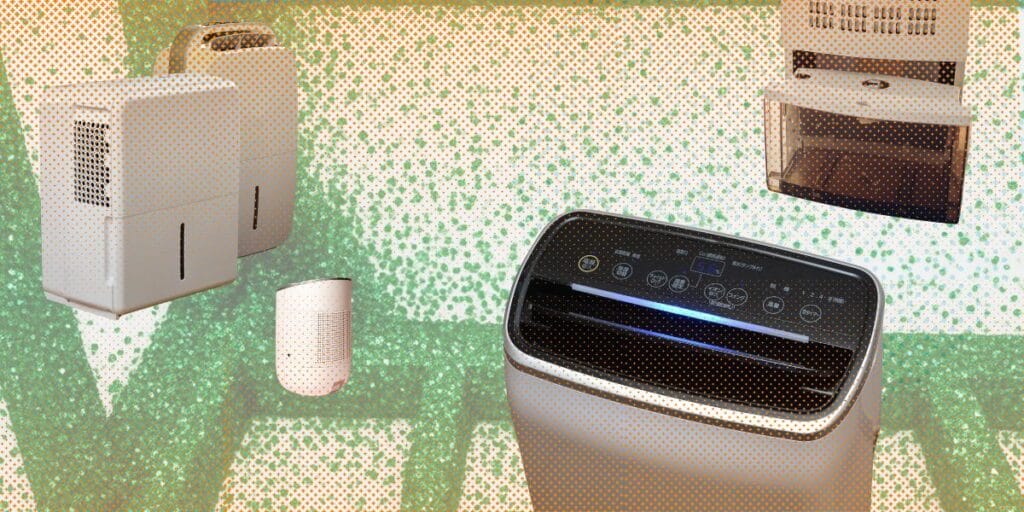
Dehumidifier vs Mold: What It Can and Cannot Do
Can your dehumidifier kill mold or just giving you a false sense of security? Learn how it works, how it helps with mold prevention, and where it falls short.
By:
The Good Home Daily
Posted on April 8, 2026
In the Philippines, it is almost impossible to escape mold. The mix of year-round humidity, sudden rain, and limited ventilation creates the perfect environment for it to grow. This is why many homeowners turn to a dehumidifier to stop mold growth at home.
But does that simple action really solve your problem? Does a dehumidifier kill mold? Let’s break it down before the damage gets worse.
In this guide, you’ll get a clearer picture of how a dehumidifier works, when it helps with mold prevention, and where it falls short.
How Exactly Does a Dehumidifier Work?
To understand how a dehumidifier helps with mold, it is important to first grasp the science behind its operation. The primary goal of a dehumidifier is to reduce the amount of water vapor in the air, lowering the relative humidity (RH) to a healthy range, which is typically between 30% and 50%.
Most common residential dehumidifiers operate using the principle of refrigeration, essentially functioning like an air conditioner or a refrigerator.
Here’s how that cycle works, step by step:
- A built-in fan draws humid air from the room into the unit.
- The air passes over very cold evaporator coils. Since these coils are below the air’s dew point, moisture in the air condenses into droplets.
- The collected water drips into a tank or drains through a hose.
- After the moisture is removed, the air is reheated slightly and released back into the room—now much drier.
Since mold needs moisture to survive and spread, lowering humidity makes it harder for mold to thrive. This is why many people think dehumidifiers are effective at killing mold.
Can a Dehumidifier Really Kill Mold?
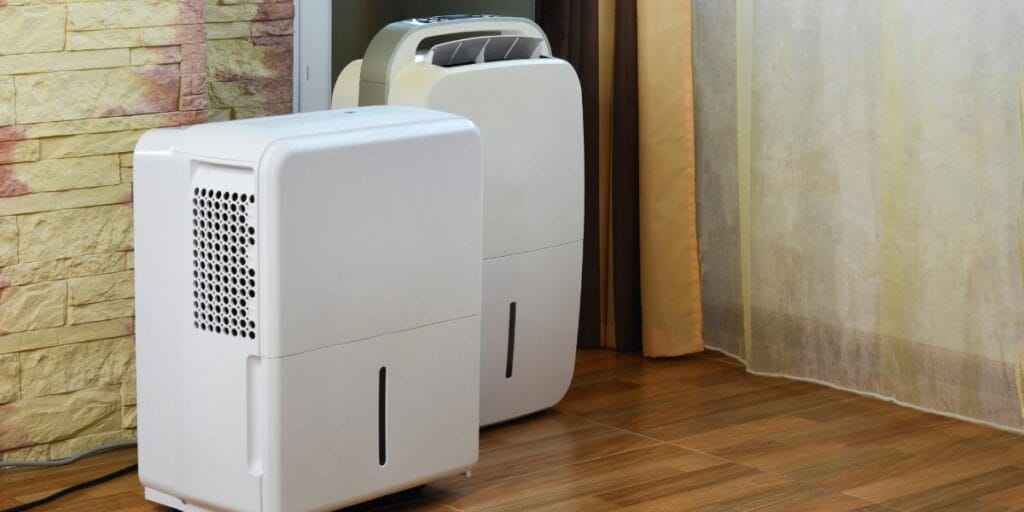
Many homeowners assume that using a dehumidifier for mold will solve the problem completely. After all, it reduces indoor moisture — the one thing mold needs to thrive. But is that enough to eliminate mold that’s already there?
The short answer: No, a dehumidifier does not kill existing mold.
What dehumidifiers actually do is make the environment less favorable for mold growth. When humidity levels are brought down to around 30% to 50%, mold struggles to spread. But there’s a big difference between preventing mold and removing it.
Even in dry air, mold spores and colonies on walls, ceilings, furniture, fabrics, or hidden areas will not disappear on their own. They still need to be cleaned or treated using proper methods.
Believe it or not, mold is incredibly resilient. Once it has rooted into a surface, it can draw moisture directly from that material, not just the air. So even if the air feels dry, existing mold can continue to survive.
While a dehumidifier dries the air, it does not chemically or physically destroy the fungal colonies already in place.
In fact, in a mold brochure shared by the Federal Emergency Management Agency (FEMA), they advise against using fans if mold may already be present. Running fans or dehumidifiers without proper removal can disturb mold colonies and aerosolize spores into the drier air, spreading them further.
When a Dehumidifier Helps With Mold
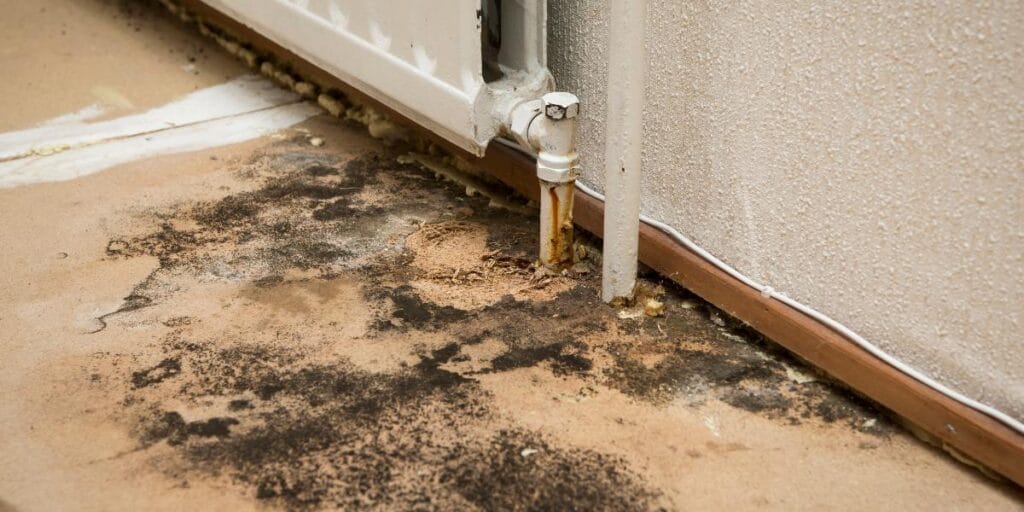
A dehumidifier doesn’t kill mold, but it can help stop it from spreading by removing excess moisture from the air. Since mold needs humidity to survive and reproduce, keeping indoor moisture levels low makes it harder for new mold to grow or existing spores to multiply.
Here are situations where a dehumidifier helps control mold effectively:
1. You’re Dealing With High Indoor Humidity
Homes with humidity levels above 60% create ideal conditions for mold. A dehumidifier brings that down to the recommended range, making it harder for new mold to develop.
2. Mold Hasn’t Appeared Yet, but Conditions Are Favorable
Sometimes you may not see mold, but the warning signs are there. Some of these signs include musty smells, condensation, and damp surfaces.
In these cases, spores are already in the environment, waiting for the right conditions. A dehumidifier prevents those spores from settling and turning into colonies.
3. You’re Preventing Mold from Coming Back After cleaning
Even after mold is cleaned or treated, moisture can trigger regrowth in the same area. A dehumidifier keeps surfaces dry, so spores do not reactivate.
4. You Live in Naturally Humid Areas or Seasons
Homes in tropical climates or during the rainy season have constant moisture in the air. Walls, closets, and furnishings absorb this humidity over time. Using a dehumidifier regularly helps keep these problem areas from becoming mold hotspots.
5. You’re Addressing Moisture in Specific Rooms
Laundry areas, basements, crawl spaces, and bathrooms tend to trap damp air. These rooms often have poor ventilation or constant exposure to water. Running a dehumidifier there stops moisture from lingering long enough for mold to appear.
When is a Dehumidifier Not Enough
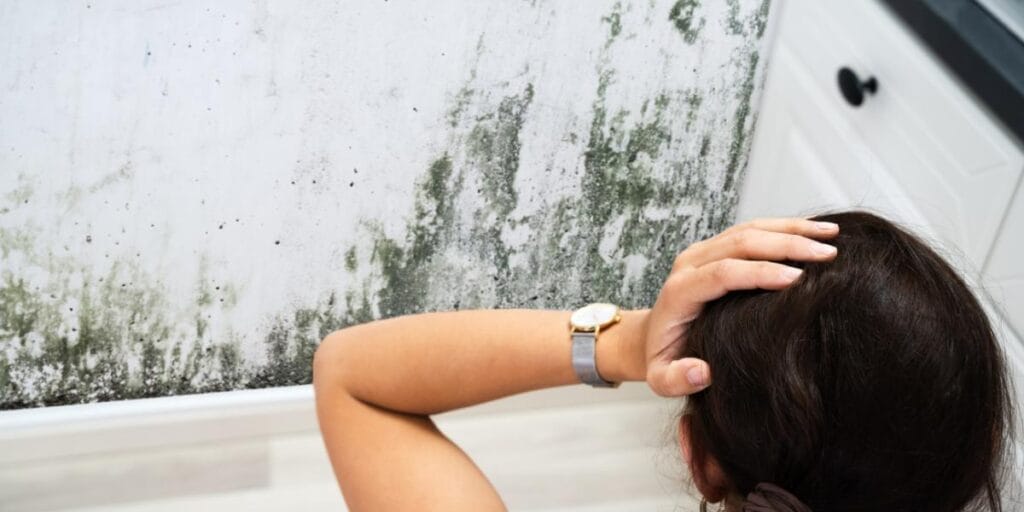
A dehumidifier can control moisture, but there are situations where it simply will not solve the problem on its own. In these cases, relying on it can give a false sense of security while the mold continues to spread unnoticed.
Here are the scenarios where a dehumidifier falls short:
1. Mold Is Already Visible or Active
If mold is already growing on walls, ceilings, floors, furniture, or fabric, a dehumidifier won’t remove it. The spores stay in place until you clean or treat the affected area properly. Without mold removal, the infestation will continue even in drier conditions.
2. There’s a Hidden Source of Moisture
If leaks from roofs, pipes, or flooring are causing moisture buildup, a dehumidifier will only control the symptoms. The source of moisture needs to be fixed first. Otherwise, surfaces will continue absorbing water, and mold will keep growing behind walls or under floors.
3. The Mold Has Spread to Porous Materials
Wood, drywall, carpets, and textiles can absorb and retain moisture internally. Even with dry air, mold can survive inside these materials and reactivate later. In many cases, affected items need treatment or replacement.
4. There Is Structural or HVAC Contamination
Mold inside air ducts, insulation, or wall cavities requires removal, not just moisture control. These areas often need professional inspection and remediation to prevent spores from circulating indoors.
4 Tips for Using a Dehumidifier Effectively
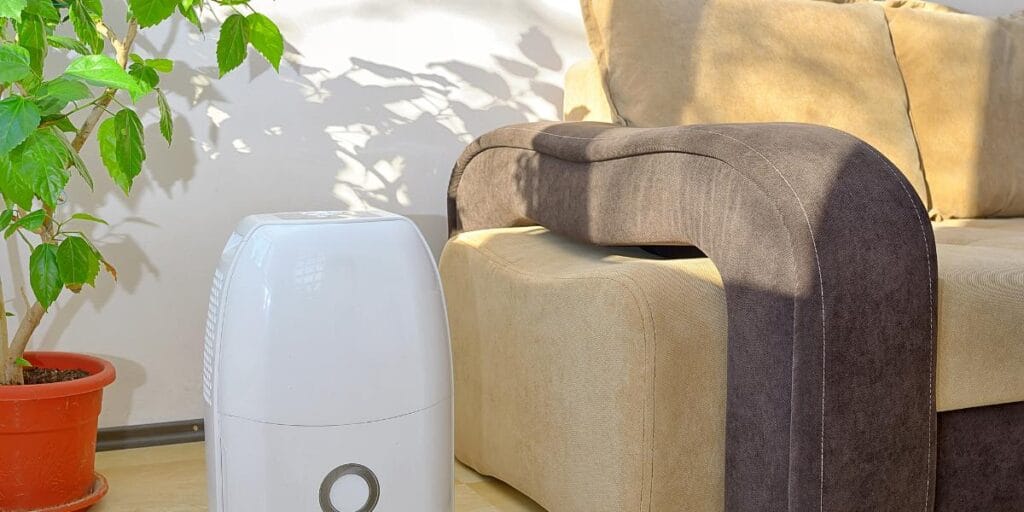
If you’re using a dehumidifier for mold prevention, these small adjustments can make a big difference:
1. Place It in the Dampest Area
Put the dehumidifier where moisture builds up the most, such as bathrooms, closets, basements, laundry rooms, or any space with poor ventilation.
Also, avoid pushing it against a wall or furniture, as restricted airflow reduces its ability to pull in moisture. Giving it space allows the fan and coils to work efficiently.
2. Keep Doors and Windows Closed While Running It
When windows are open, the unit ends up cycling fresh humid air instead of drying the room. Keeping the space sealed improves efficiency and speeds up moisture reduction.
3. Clean the Filter Regularly
Dust, hair, and dirt can clog the filter and block airflow over time. A dirty filter causes the dehumidifier to run longer but remove less moisture. Cleaning or replacing it as recommended in the manual improves both performance and air quality.
4. Empty and Clean the Tank Regularly
Once the tank is full, many units automatically shut off to prevent overflow. If you forget to empty it, you may think it is running even when it has stopped. Connecting a drain hose is a good option for continuous use, especially during humid seasons.
The Takeaways
A dehumidifier for mold can help control moisture and prevent new growth, but it cannot kill mold that already exists. Once colonies have formed on walls, ceilings, fabrics, or hidden areas, they need to be cleaned or treated directly.
The real value of a dehumidifier is in mold prevention. Keeping indoor humidity at a healthy level helps prevent spores from spreading and protects damp rooms.
Frequently Asked Questions About Using a Dehumidifier for Mold
Can a dehumidifier kill mold?
No, a dehumidifier cannot kill existing mold. It only reduces humidity, making it harder for mold spores to grow and spread. For mold that has already formed, proper cleaning or treatment is required.
Will a dehumidifier prevent mold from returning?
Yes, when used correctly, a dehumidifier can help prevent mold growth by maintaining indoor humidity between 30% and 50%.
How long should I run a dehumidifier for mold prevention?
It depends on the humidity levels and the size of the space. During humid months or in naturally damp areas, running it daily or until the target humidity is reached is recommended. Monitor levels with a hygrometer for best results.
Can a dehumidifier remove mold smell?
A dehumidifier can help reduce musty odors indirectly by lowering humidity, but it will not remove the smell if mold is already present. Proper cleaning of affected surfaces is required to fully eliminate odor.
Where should I place a dehumidifier to prevent mold?
Place it in the most humid or damp areas, such as bathrooms, closets, basements, or laundry rooms. Keep it a few inches away from walls and furniture to allow proper airflow.
Can I rely on a dehumidifier alone for mold control?
No, a dehumidifier is only part of the solution. Moisture sources, leaks, poor ventilation, or existing mold must be addressed separately for complete mold control.