
After the Fire, What Comes Next? A Recovery Guide for Filipino Homeowners
Recovering from a house fire? Follow this step-by-step guide for safety, insurance, and government assistance in the Philippines.
By:
The Good Home Daily
Posted on May 8, 2026
Losing your home to a fire is one of the most challenging events anyone can face. Imagine losing everything in an instant; you will inevitably ask yourself: “Where do I even start?”
It is completely normal to feel lost after such a devastating event. But the first 24 hours after a house fire are the most critical. The decisions you make during this time can affect your safety, your ability to manage fire damage, and how smoothly you begin to recover.
In the Philippines, there are specific protocols and requirements to follow to ensure your safety and your eligibility for the government fire assistance you deserve.
In this fire recovery guide, we’ve broken down the most important steps to help you move forward and rebuild.
Immediate Checklist for Fire Victims
1. Make Sure Everyone Is Safe
Your safety after a house fire always comes first. First, check that all household members are present and safe. If anyone is injured or has been exposed to smoke, seek medical attention right away.
Don’t forget your pets. They are household members too. The post-fire environment can be toxic for animals. Consider moving them to a vet or a relative’s home while you begin the process of assessing the damage.
2. Wait for the "All Clear" Signal
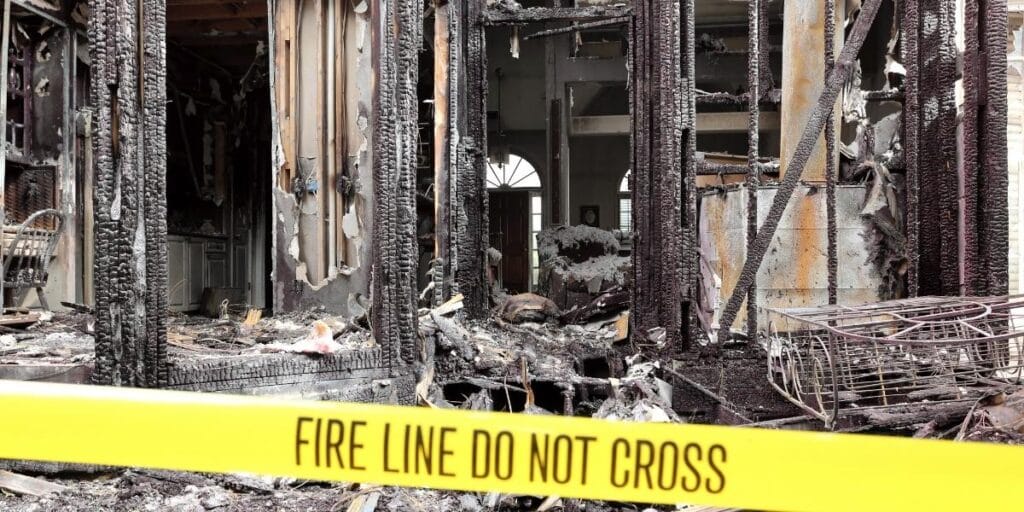
Don’t re-enter your home until the BFP (Bureau of Fire Protection) officer-in-charge declares it safe to do so. Even after the flames are extinguished, hidden “hotspots” can reignite, and weakened floors or roofs may collapse.
What’s more, lingering toxic fumes and smoke residue can pose serious health risks. Be patient and wait for the official word before attempting to recover any belongings.
3. Document Everything (Before You Clean)
Once the BFP permits you to enter, document the damage thoroughly. Take clear photos and videos of every affected room, including structural damage and destroyed personal belongings.
This visual evidence is critical for your insurance claim and for obtaining a Fire Certificate for government assistance.
While it is tempting to begin cleaning immediately, refrain from moving or discarding items yet. Cleaning or altering the scene prematurely can jeopardize your insurance coverage, as some adjusters need to see the “as-is” state of the property to verify the loss.
4. Retrieve and Replace Important Documents
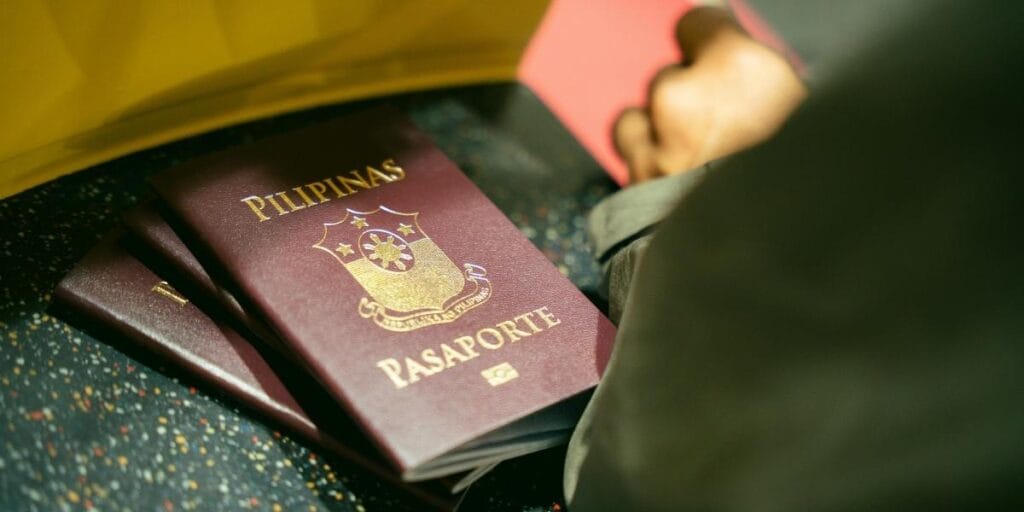
After a house fire, one of the most urgent but often overlooked steps is securing your essential paperwork. Losing these can slow down your fire recovery process, especially when filing claims or requesting government assistance.
Start by listing missing documents. Take note of all important records that may have been damaged or destroyed. This helps you stay organized and prioritize what to replace first.
In the Philippines, you can begin recovering key documents through these agencies:
- Valid IDs (Passport, Driver’s License, UMID): Visit the DFA, LTO, or SSS/GSIS offices.
- Civil Registry Records: Request new Birth or Marriage Certificates from the Philippine Statistics Authority (PSA).
- Property Documents: Coordinate with the Registry of Deeds for land titles.
- Financial Records: Contact your banks and insurance providers to request duplicate policies and statements.
Once you recover, keep digital scans of these documents in the cloud and store physical copies in a fire-resistant vault or your emergency “Go Bag.”
5. Contact Your Insurance Provider Promptly
Contacting your insurance company is a critical step in the recovery process. You should ideally do this within 24 to 48 hours of the incident to ensure your claim is formally logged and processed without delay.
Understand that this initial call is simply to report the loss, not to finalize decisions or receive immediate approval. During this conversation, you should:
- Ask exactly which documents are required to file your fire insurance claim.
- Check if your policy includes “Alternative Accommodation” or “Additional Living Expenses” to help cover the cost of temporary housing.
- Ask for the name of the insurance adjuster assigned to your case and when you can expect them to visit the property.
6. Report the Incident to the Proper Authorities
To qualify for official aid, the fire must be documented by the correct agencies. In the Philippines, this involves a two-tier approach: the BFP for the technical fire report and your local government, specifically the barangay, for social support.
Being listed as an official fire victim is the first step toward accessing government assistance, including financial grants, emergency relief goods, and temporary housing support. Filing these reports immediately ensures you are not overlooked during the distribution of aid and post-fire recovery resources.
We will dive deeper into the specific requirements and how to successfully claim government assistance in the next sections.
How to Claim Government Assistance After a House Fire
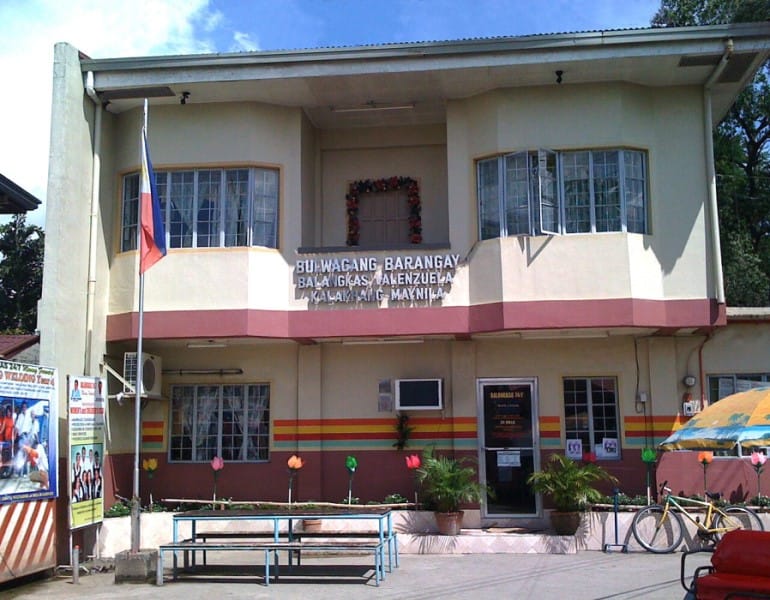
Once you are officially registered as a fire victim, you can begin the process of claiming government aid to support your immediate and short-term needs.
1. Coordinate with your Barangay
Your Barangay Hall is your first point of contact. The Barangay Chairman or Secretary will verify your residency and status, ensuring your household is included in the official damage assessment. This local documentation is mandatory before your case can be endorsed to higher offices.
2. Endorsement to National Agencies
From the local level, your information is typically endorsed to national agencies, primarily the Department of Social Welfare and Development (DSWD). A Social Worker may interview you to create a “Social Case Study Report,” which determines the level of financial assistance or housing materials you are eligible to receive.
What Government Assistance Can You Claim After a House Fire
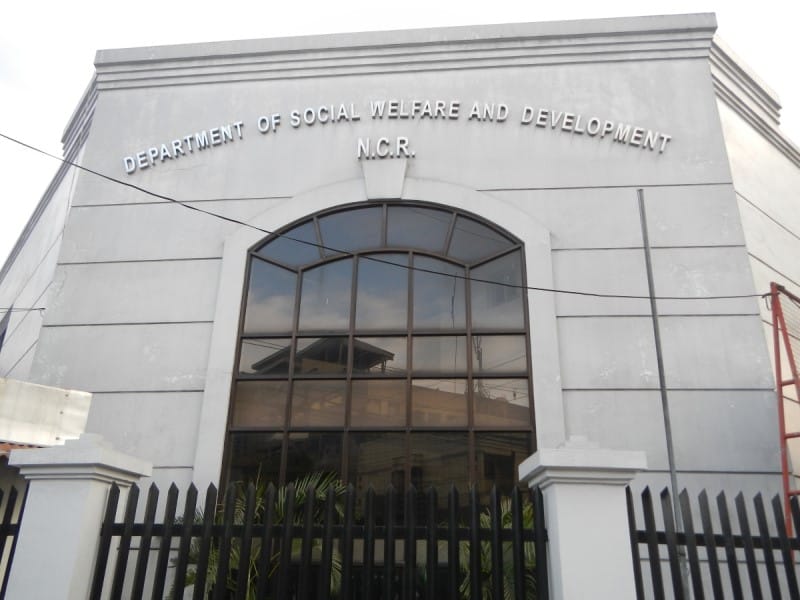
Various forms of government assistance are available to help you recover. Depending on your situation and location, you may qualify for the following:
1. DSWD Financial Assistance (AICS Program)
The Department of Social Welfare and Development (DSWD) provides financial aid through its Assistance to Individuals in Crisis Situation (AICS) program. This is often provided as a one-time cash grant to help victims meet their immediate needs.
- Requirements: Police Report or BFP Certification, a Valid ID, and an Authorization Letter (if applicable).
- How to Apply: Visit the nearest DSWD Crisis Intervention Unit (CIU) or your local social welfare office. An intake interview with a social worker will determine the amount of aid you receive.
Beyond cash relief, the AICS program can also cover medical, funeral, educational, transportation, material, and food assistance. Note that each type of support has specific requirements and involves an interview process.
2. Local Government Unit (LGU) Aid
Your city or municipal hall often maintains a dedicated disaster fund. For example, in Quezon City, homeowners can receive up to ₱10,000, while renters or sharers may receive ₱5,000 in financial aid. In addition to cash, affected families typically receive welfare goods, starter kits, and hygiene kits.
- Requirements: Affected individuals must undergo master listing at the designated evacuation area or barangay hall.
3. DSWD’s Core Shelter Assistance Project (CSAP)
The DSWD’s Core Shelter Assistance Project (CSAP) is a specialized housing program designed to help families rebuild after their homes are totally destroyed by disasters. This program utilizes the “Bayanihan” model, where beneficiaries join a Neighborhood Association for Shelter Assistance (NASA) to collectively build each other’s homes.
What makes this program unique is its integrated support package, which includes a Food or Cash-for-Work grant. This component pays beneficiaries 75% of the regional daily wage (in cash or food packs) for up to 10 days while they work on their houses. This ensures that the family’s daily needs are met while the breadwinner focuses on construction.
Requirements:
- Your house must have been totally destroyed by a natural disaster (typhoon, earthquake) or a man-made event.
- Monthly family income must be below the food threshold (generally under 10,000 PHP – 11,000 PHP, depending on current regional statistics).
You must not have received housing assistance for the same disaster from any other government agency, NGO, or private group. - You must be listed in the LGU master list and hold a Disaster Assistance Family Access Card (DAFAC).
- You must provide proof of land ownership or a guarantee of long-term occupancy (at least 10 years) for the building site.
- The lot must be certified as hazard-free.
- You must join or form a Neighborhood Association for Shelter Assistance (NASA) with up to 30 members.
- The LGU must provide a Sangguniang Bayan (SB) Resolution and a Certification of Calamity Funds to support the project.
How to Apply: To begin the process, visit your City or Municipal Social Welfare and Development Office (C/MSWDO) to obtain your DAFAC and join a neighborhood cluster for validation.
4. DSWD’s Emergency Shelter Assistance (ESA)
The Emergency Shelter Assistance (ESA) program provides financial aid to help families repair or rebuild homes damaged by natural disasters or man-made incidents. Unlike CSAP, the ESA is available to those with partially damaged homes.
The amount of assistance available under the ESA depends on the total funds allocated and released by the DSWD Central Office.
Requirements:
- The house must be either partially or totally damaged due to a disaster.
- You must not have received housing assistance for the same disaster from any other government agency, NGO, or private group.
- You must be included in the LGU master list and hold a Disaster Assistance Family Access Card (DAFAC).
- A completed official ESA application form (provided by the DSWD).
- An official certificate from your Barangay stating whether your home is partially or totally damaged.
A valid government-issued ID of the beneficiary. - An authorization letter, the beneficiary’s ID, and the representative’s ID if someone is applying on your behalf.
How to Apply: To begin the validation process, visit your local City or Municipal Social Welfare and Development Office (C/MSWDO).
5. Calamity Loans on SSS, GSIS, and Pag-IBIG
If you are an active member of SSS, GSIS, or Pag-IBIG, you can apply for a calamity loan at a lower interest rate. Note that these loans are only available to members living or working in areas officially declared under a State of Calamity. Once the declaration is made, a 90-day “loan window” typically opens, allowing you to access emergency funds for repairs and living expenses.
Requirements:
SSS (Calamity Loan Assistance Program):
- Must have at least 36 monthly contributions, with 6 of those posted within the last 12 months before filing.
- Must be a resident of the declared calamity area and have no past-due SSS short-term loans.
- Official Page: SSS Calamity Loan Qualifying Conditions
Pag-IBIG (Calamity Loan):
- Must have at least 24 monthly membership savings.
- Must have at least one contribution within the last 6 months.
- If you have an existing Multi-Purpose Loan (MPL), it must not be in default.
- Official Page: Virtual Pag-IBIG Calamity Loan Guide
GSIS (Emergency Loan):
- Must be an active member residing or working in the calamity-declared area.
- Must have paid at least 3 monthly contributions within the last 6 months.
- Must have no pending administrative or criminal charges and a net take-home pay of at least ₱5,000.
- Official Page: GSIS Emergency Loan Requirements
Here’s how to apply for these calamity loans:
- For SSS: Log in to your My.SSS account or the SSS Mobile App. Navigate to “Loans” and select “Calamity Loan.”
- For Pag-IBIG: Use the Virtual Pag-IBIG website. You can upload your filled-out application form and ID directly to their “Claims/Loans” section.
- For GSIS: Use the GSIS Touch mobile app or visit a GWAPS kiosk in any GSIS branch or government office using your UMID card.
Moving Forward After a House Fire
No one ever wants to go through a house fire, and hopefully, this is a guide you will never need. We have shared tips on prevention, from building a firewall to improving overall fire safety, but the reality is that some incidents cannot be controlled.
If you are reading this right now, it likely means you are facing the aftermath of a fire and looking for clarity on what to do next. In moments like this, even small, steady steps can help you regain a sense of control and begin your fire recovery process.
Recovery takes time, but it is possible to rebuild and move forward. Focus on your safety, stay organized with your next steps, and lean on the support available to you. We hope this guide helps you recover and find your way forward with more confidence.