
Why Your Rental Apartment Still Feels Off Even After Decorating: Interior Design Mistakes to Avoid
Your rental apartment may feel cluttered, cold, or unfinished due to these common decor mistakes. Learn what to avoid and how to fix them.
By:
The Good Home Daily
Posted on July 15, 2026
So, you feel your rental apartment is cramped, cluttered, and unfinished. You have already bought wall art, rearranged the furniture three different times, and yet, the space still feels entirely off. It is easy to blame the apartment itself—after all, since it is a rental, we face strict limitations on what we can change. But the truth is, a frustrating layout is usually caused by our own decor mistakes rather than the building itself.
Whether you own your home or not, a place will never truly feel comfortable if the design choices are working against it. The good news is that these rental apartment decorating mistakes are entirely fixable. The first step to transforming your space is simply identifying where things went wrong.
That is exactly why we created this renter-friendly decor guide. Inside, you will discover the top interior decor mistakes to avoid in a rental, along with the simple, practical fixes needed to correct these poor design choices.
10 Decor Mistakes Renters Make Without Realizing
Before you start changing anything in your rental, it is always a good idea to check with your landlord. Most rental apartment decor mistakes happen when renters assume everything is off-limits or when they do not realize that simple changes are actually allowed.
Once you have the green light and understand your limits, that is when the real design decisions begin. To help you avoid apartment styling mistakes, here are the key decisions to keep in mind:
1. Not Decorating Your Walls at All
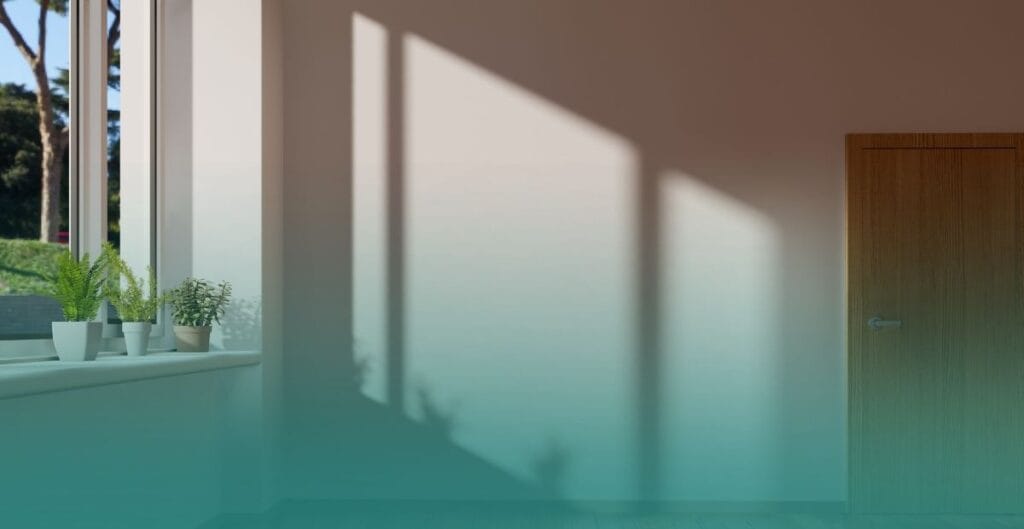
One of the most common rental apartment decor mistakes is avoiding the walls entirely. Many renters hesitate because they immediately think of drilling holes, damaging paint, or strict lease rules, so they end up doing nothing at all.
And the result is usually a space that feels plain, unfinished, and temporary. But here is the thing: once you have consulted your landlord and understand your limits, decorating your walls becomes a lot more flexible than you think.
Even if there are strict rules, you still have options. You do not always need nails or drilling. You can use strong adhesive hooks, removable strips, or peel-and-stick wallpaper that holds well but does not leave marks behind.
And if your concern is old stains or dull walls, a simple repaint using the same original color can instantly refresh the space. Small changes like these make a big difference in how cohesive your apartment feels.
2. Using Small Rugs
Apart from walls, the floor is another area in a rental that often gets overlooked. And honestly, it is usually the most worn-out part of the space. You might not be allowed to make big upgrades like changing tiles or installing new flooring.
This is where area rugs come in. They are one of the easiest renter-friendly decor ideas to instantly make a space feel more styled and intentional. However, avoid rugs that are too small.
A small rug often makes furniture look like it is floating. The sofa feels disconnected, the table feels misplaced, and the whole room can end up looking more cramped instead of cozy. It is subtle, but it affects the entire balance of the space.
A better approach is choosing a larger rug that can hold the main furniture pieces together. When your sofa, coffee table, or chairs sit partly on the rug, it visually anchors the room. It defines the area and makes everything feel more complete.
3. Relying Only on Ceiling Lights
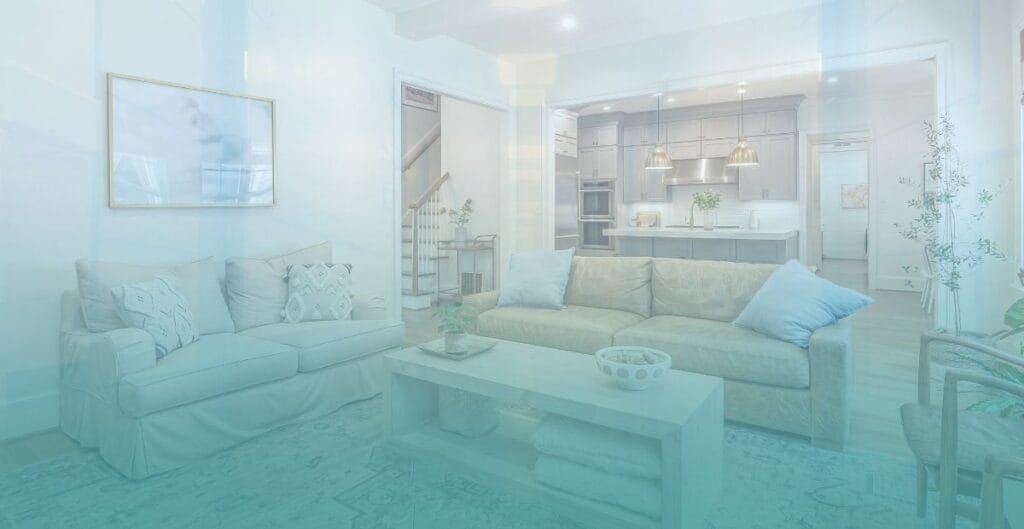
Even the best layout can feel flat if the ceiling light is doing all the work. When it is too harsh or too bright, the space ends up looking cold and uninviting. This is a common apartment lighting mistake that affects the overall mood of a room.
The problem is not the ceiling light itself. It is relying on it alone.
Instead of depending on overhead lighting, try adding layers of decorative lighting that soften the space and create warmth.
You can start by adding a floor lamp in a corner to balance out dark areas. Place a table lamp on your side table or console to create a warm glow in the evening. Even small accent lights, like LED strips behind furniture or warm fairy lights in subtle areas, can completely shift the atmosphere.
4. Blocking Natural Light
Natural light is a luxury in rental apartments. If you have access to it, use it; do not block it.
The thing is, many renters end up blocking it without realizing. Thick curtains that stay closed most of the day, or furniture placed right in front of windows, can easily reduce the light coming in and make the space feel smaller, even if everything else is nicely decorated.
Instead, let the light do the work for you. Use sheer curtains, mirrors, and light colored furniture to bounce the light around the space. When natural light flows freely, the whole apartment instantly feels more open and alive.
5. Over-Reliance on Neutrals
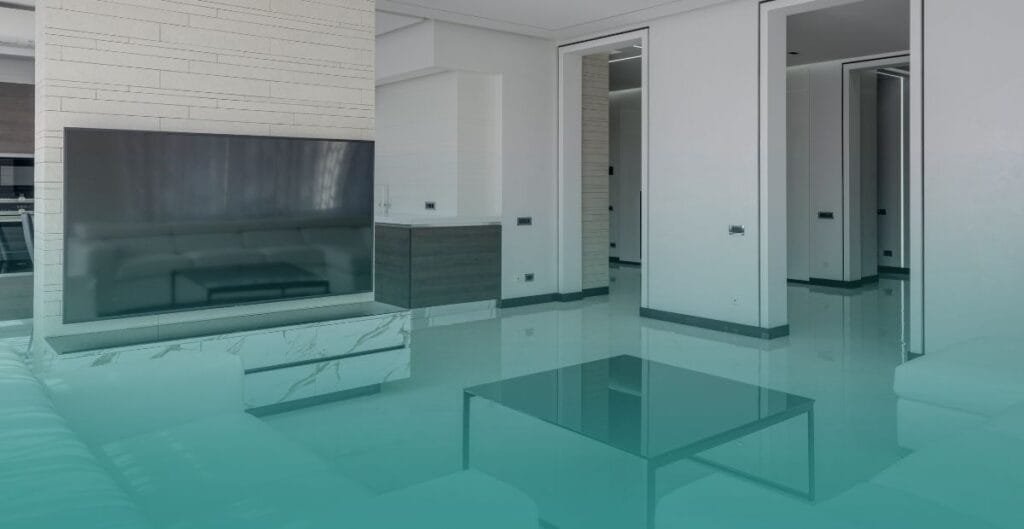
There is nothing wrong with using neutral colors. In fact, they are often the safest and most flexible choice for a rental apartment. The issue starts when everything in the space becomes neutral.
Walls, sofa, rugs, and even decor, all in the same tone. It feels safe, but it slowly removes depth from the room.
When there is no contrast, the space can start to feel flat and one-dimensional. Your eye does not know where to focus, so everything blends together instead of standing out.
That is why balance and contrast matter. One ideal way to achieve this is by following the 60-30-10 rule.
Around 60 percent of the room can be your main base color, usually your walls or large surfaces. About 30 percent can be a supporting shade, like your curtains, rug, or secondary furniture pieces. The remaining 10 percent is where you introduce stronger accents, such as darker finishes, metal details, or a bold decorative piece. This balance keeps the space from feeling flat and gives it a more complete, designed look.
6. Not layering or adding texture
Some rooms just feel flat. Almost too clean. Almost too perfect. Everything looks smooth, polished, and similar, but something still feels missing. That usually happens when there is not enough variation in texture. And this is not good interior design.
When all your furniture and decor feel the same to the eye, and even to the touch, the space loses depth. A room made only of glass, smooth fabric, and glossy surfaces can feel cold and a bit lifeless. There is nothing for the eye to “hold onto,” so the space ends up feeling visually flat instead of layered.
Try mixing different finishes so the room feels more balanced and natural. Soft fabrics like linen or velvet can sit next to harder elements like wood, metal, or stone. A smooth sofa paired with a woven rug. A glass table balanced with a textured ceramic vase or a knitted throw.
When different textures work together, your apartment starts to feel more dimensional, more comfortable, and more intentional without adding clutter.
7. Pushing All Furniture Against the Walls
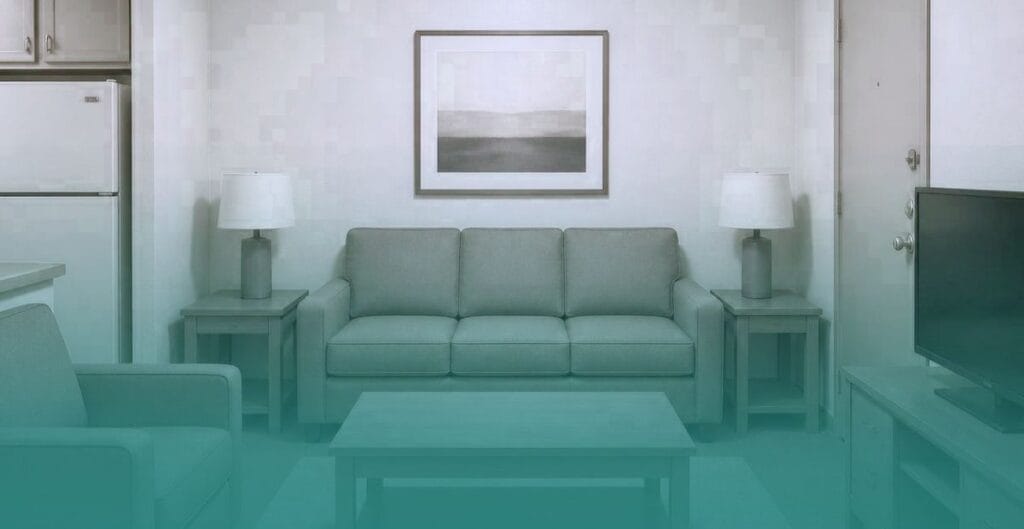
A lot of renters think pushing all the furniture against the wall will make the apartment feel bigger. It sounds logical, especially in smaller spaces, but it often does the opposite.
Instead of making the room feel open, it can make everything feel disconnected. You end up with a large empty space in the middle and furniture that looks like it is just lining the edges of the room.
This is one of the most common layout mistakes because it removes the sense of flow and comfort. Even a small gap between the wall and the sofa can already make the setup feel more intentional.
Try creating small zones instead of treating the room like a waiting area. Pull the furniture slightly inward, anchor it with a rug, or position chairs in a way that encourages conversation.
8. Hanging Curtains Too Low
When curtains are mounted too close to the window frame, the ceiling can appear lower, and the space can feel more cramped. On the other hand, hanging the rod higher, closer to the ceiling, naturally draws the eye upward and makes the window appear taller.
Length matters too. Curtains that are too short often make the room feel unfinished. A better approach is choosing panels that lightly touch the floor or almost graze it. This creates a cleaner and more intentional look, even in a simple rental apartment.
9. Using Too Many Tiny Decor Pieces
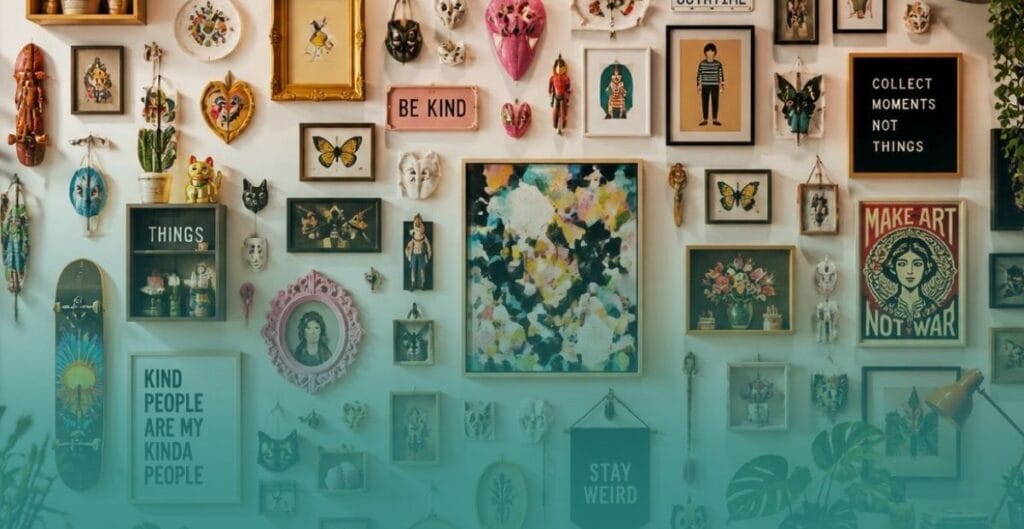
Small decor pieces are easy to buy because they feel harmless. A little candle here, a small frame there, then suddenly every surface is filled with tiny objects competing for attention. This makes a space feel cluttered even when it is technically organized.
When everything is small, nothing really stands out. Your eye keeps jumping from one object to another, which can make the room feel visually noisy and smaller than it actually is.
Instead of scattering lots of tiny decor around the apartment, try creating a few stronger focal points. A larger artwork, a statement lamp, or a properly styled shelf often has more impact than dozens of little accessories spread across the room.
10. Buying Furniture Sets That All Look the Same
At first, matching furniture feels like the easiest option. Everything already goes together, so it seems impossible to get the design wrong.
But when every piece has the same color, material, and style, the room can start to feel flat and overly staged. Instead of looking cozy and lived in, it ends up feeling more like a showroom.
This styling mistake removes personality from the space. There is no contrast, no variation, and nothing that gives the room character.
The best example is the sofa set. Instead of buying a full set where everything looks identical, break it up with pieces that add new variation. A coffee table in a different material or a side chair with a different shape can already soften the uniform look and make the space feel more natural.
Designing a Rental That Truly Feels Like Home
Most of the interior decor mistakes we mentioned above are subtle, which is exactly why they are so often overlooked. They do not always stand out right away, but cumulatively, they quietly dictate how your apartment feels on a daily basis.
Fixing these layout slips clears the canvas, but the real magic happens when you refuse to let a lease hold back your personal style. When you boldly incorporate your personality into your rooms, the entire space instantly begins to feel more intentional, more comfortable, and truly your own—even if it is a temporary rental.