

How to Prepare Your Home for the Rainy Season in the Philippines: Simple Home Checklist
The rainy season in the Philippines brings heavy rains, flooding, and typhoons that can damage your home. Learn essential maintenance tips to prevent leaks, water damage, and electrical issues.
By:
The Good Home Daily
Posted on July 2, 2026
It may still feel hot and humid today, but the rainy season has officially begun in the Philippines, according to PAGASA. In the coming months, we can expect heavy downpours and frequent typhoons. This wet weather is expected to continue until November, so now is a good time to start preparing your home for the rainy season.
Months of continuous rain can lead to roof leaks, flooding, water damage, and other issues around the house. Before the rainy days become a regular part of your week, take some time to inspect and prepare your home.
1. Start With a Roof Inspection

Your roof is your home’s first line of defense against heavy rain. Even minor damage can allow water to seep inside, leading to leaks, mold growth, and costly repairs if left unattended.
Before the rainy season is in full swing, inspect your roof for signs of wear and tear. Look for loose roofing materials, visible cracks, rusted areas, or anything that could allow water to enter your home.
Also, check for signs of existing leaks. These include water stains on ceilings, peeling paint, damp spots, or discoloration on walls. Addressing these issues early can help prevent more serious water damage later on.
2. Clean Gutters and Check Your Drainage System
Your roof may be ready for the rainy season, but that is only part of the equation. Rainwater still needs a clear path away from your home, which is why cleaning your gutters and checking your drainage system should be next on your list.
Leaves, twigs, and other debris can build up over time, especially if your property is surrounded by trees. When gutters become clogged, rainwater may overflow and collect around your home’s foundation, increasing the risk of leaks, water damage, and even flooding.
Take time to remove any debris from your gutters and make sure downspouts are directing water away from your property. While you’re at it, inspect outdoor drains and water pathways for blockages that could prevent water from flowing properly during heavy rains.
3. Prepare for Possible Flooding
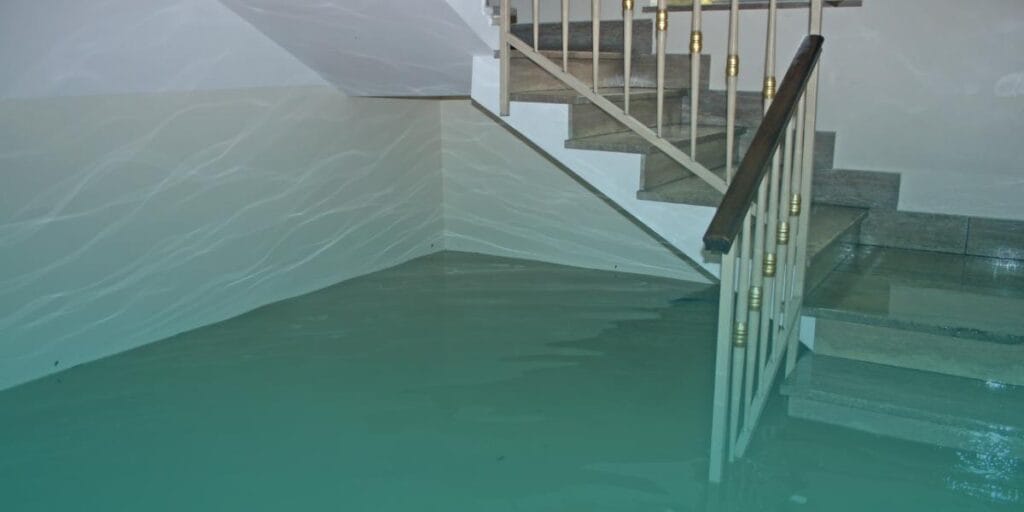
This is especially important if you live in a flood-prone area or have experienced flooding in the past. Taking a few precautions now can help minimize damage and give you peace of mind when heavy rains arrive.
Elevate Important Appliances and Valuables
Consider moving appliances, furniture, and other valuable items off the floor, especially if they are located on the ground level of your home. Even a few inches of water can damage electronics, wooden furniture, and other household items.
Prepare Sandbags if Your Area Is Flood-Prone
If flooding is a recurring issue in your neighborhood, keeping sandbags on hand can help reduce the amount of water that enters your home. Place them near doorways, gates, and other areas where floodwater is likely to enter during heavy rains.
Store Important Documents in Waterproof Containers
Important documents such as birth certificates, passports, insurance papers, and property records can be difficult or impossible to replace if they become water-damaged. Store them in waterproof containers or sealed plastic bags and keep them in an easily accessible location.
4. Seal Windows, Doors, and Other Openings
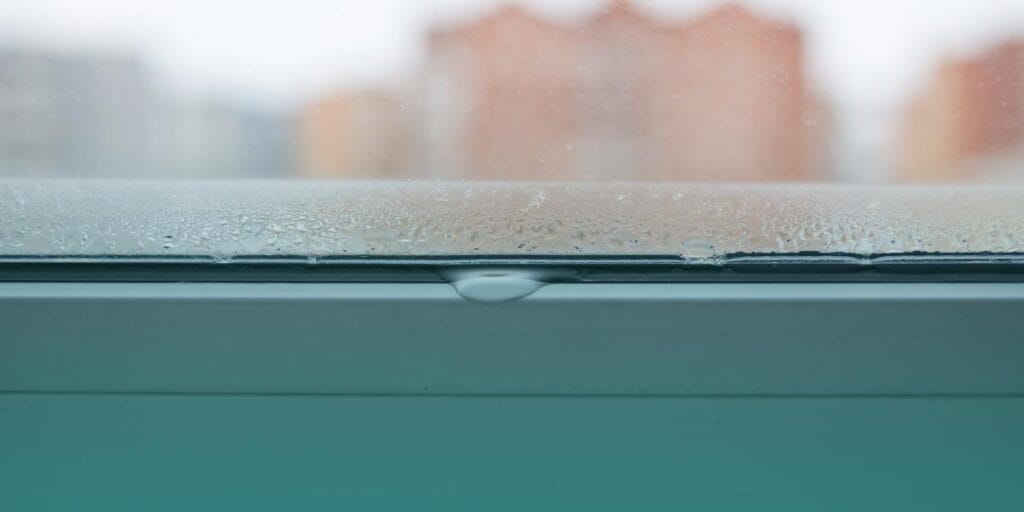
Rain can find its way inside your home through small gaps around windows, doors, and other openings. These areas are often overlooked, but they are must-waterproof areas. These spots are common entry points for water during heavy rain and strong winds.
Take time to inspect the edges of windows and doors, especially if you notice drafts, minor leaks, or signs of moisture. Addressing these vulnerable spots is an important step when it comes to waterproofing your home.
If you spot any gaps, apply sealant or replace weather stripping immediately. It is also a good idea to check other possible entry points, such as utility pipe openings, ventilation gaps, and exterior wall cracks.
5. Check Electrical Safety
The rainy season increases the risk of electrical issues at home, especially when water comes into contact with wiring or power sources. Before the heavy rains become more frequent, it is important to take a closer look at your home’s electrical setup.
Start by checking for any exposed, damaged, or aging wires around the house. Pay close attention to areas that are more likely to get wet, such as outdoor outlets, extension cords, or wiring near windows and doors.
If you notice anything unusual, such as flickering lights, frequent power trips, or loose outlets, it is best to have them inspected by a qualified electrician. Addressing these issues early can help prevent electrical hazards during storms and heavy rainfall.
6. Prepare for Possible Power Outages

Strong winds, heavy rainfall, and thunderstorms can sometimes lead to sudden outages that last several hours or even days.
Make sure you have essential items ready at home, such as flashlights, extra batteries, and fully charged power banks. These small preparations can make it easier to move around the house and stay connected even when the power goes out unexpectedly.
It is also helpful to identify backup lighting options in key areas of your home, such as bedrooms, hallways, and the kitchen. Being prepared for outages can help your household stay safe and comfortable while waiting for electricity to return.
7. Keep an Emergency Kit for Severe Weather
Heavy rain, strong winds, and unexpected flooding can sometimes require quick action, so having essentials in one place can make a big difference.
Include basic items such as drinking water, ready-to-eat food, flashlights, extra batteries, a first aid kit, and a portable phone charger. It is also helpful to keep important items like cash, medications, and emergency contact numbers in the kit.
Store everything in a waterproof container or bag and place it in an easily accessible area of your home. This way, you can respond quickly when the weather becomes more unpredictable.
8. Prevent Mold and Moisture Buildup
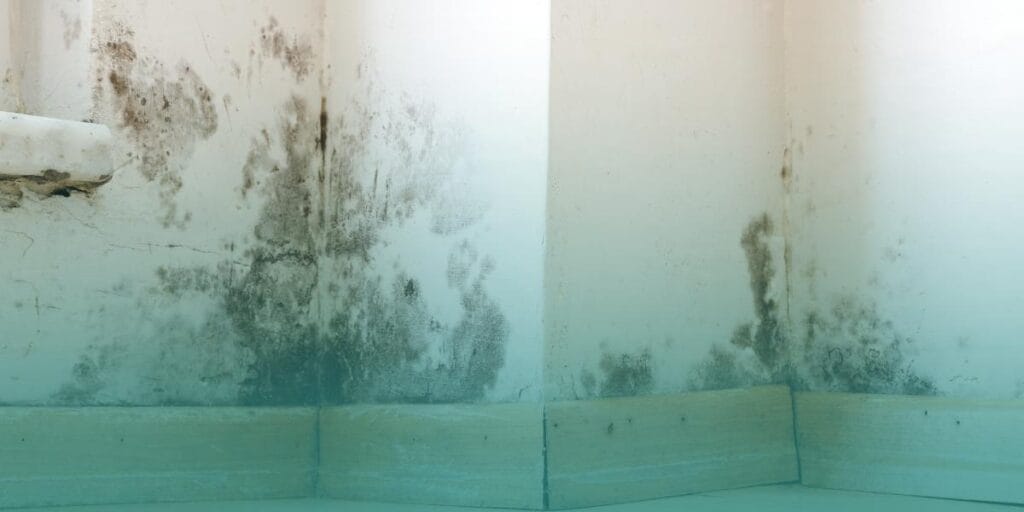
After days of heavy rain or flooding, excess moisture can easily build up inside your home. If not addressed early, it can lead to mold growth, unpleasant odors, and long-term damage to your belongings.
Make sure to improve airflow in damp areas by opening windows when the weather allows and keeping enclosed spaces ventilated. Dry any wet surfaces as soon as possible, especially floors, walls, and furniture that may have been exposed to rain or floodwater.
It is also important to watch for early signs of mold, such as dark patches, peeling paint, or a musty smell. Addressing these issues quickly can help prevent them from getting worse as the rainy season continues.
Rainy Season Home Checklist
To make things easier, here is a quick checklist you can go through as you get your home ready for the rainy season:
- Inspect your roof for leaks or damage
- Clean gutters and check your drainage system
- Seal gaps around windows and doors
- Move important appliances and valuables to safer areas
- Check electrical safety around the home
- Keep flashlights, batteries, and emergency supplies ready
- Store important documents in waterproof containers
- Prepare for possible power outages
- Keep an emergency kit ready for severe weather
- Watch for mold and moisture buildup
- Inspect your roof for leaks or damage
Why Prepare Your Home for the Rainy Season
According to the World Bank, the Philippines is among the most disaster-prone countries in the world. It is highly exposed to tropical cyclones, flooding, and landslides, risks that are expected to increase as climate change continues.
The country also experiences a steady number of tropical cyclones making landfall each year, with some becoming stronger over time.
For 2026, forecasts indicate that the Philippines may experience around 9 to 13 typhoons, according to PAGASA. The organization also notes that July to October is the peak of the typhoon season, when nearly 70% percent of tropical cyclones typically form.
While we cannot control the weather, we can control how prepared our homes are. Taking time for rainy season home maintenance helps reduce damage, prevent costly repairs, and keep households safer during severe weather.