
What Tools Do You Need to Start Woodworking: A Starter Checklist for Your Workshop
Here are the must-have woodworking tools for beginners. See what you need, how each tool works, and why they matter for your first projects.
By:
The Good Home Daily
Posted on April 1, 2026
So, you want to start woodworking? That’s great! Maybe you’ve been thinking about trying a DIY project, or you just want to learn how to build things from scratch. But before you pick up that first piece of wood, make sure you have all the essential woodworking tools ready.
It’s easy to browse online tool shops and feel like you need a massive professional setup just to get started. But here’s a secret: you don’t. Most beginners stop before they start because they’re overwhelmed by the cost of “pro” gear.
You don’t need a full professional setup to begin. In this beginner woodworking tool list, we’ll go through the must-have tools for woodworking that every new DIYer should own.
Ready to build? Let’s get to the list.
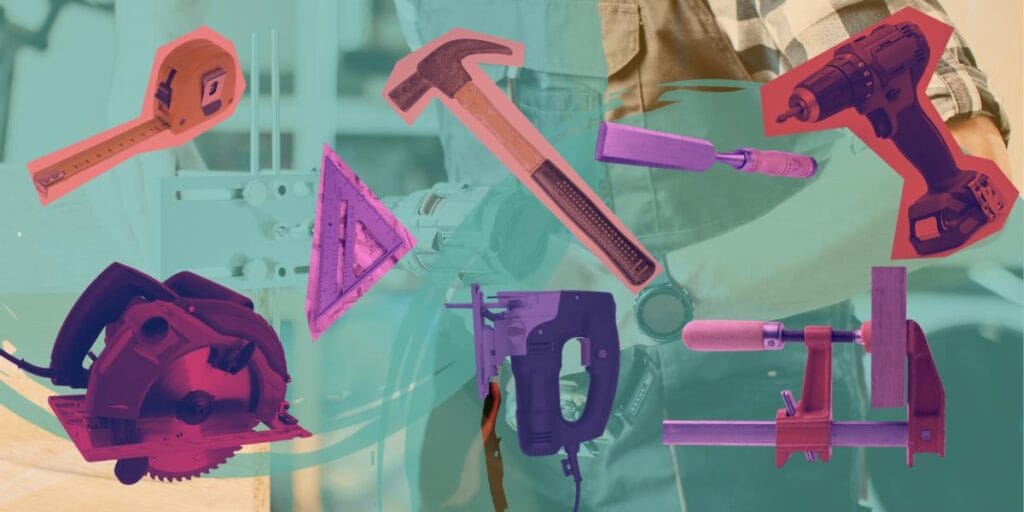
10 Basic Tools Every Beginner Woodworker Should Own
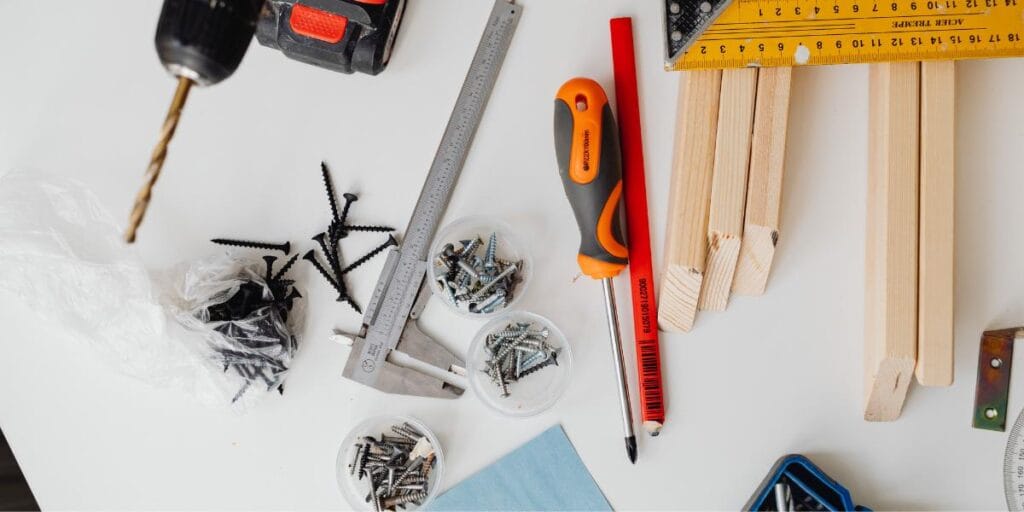
You do not need to fill your space with every gadget out there. Just a few basic woodworking tools can already help you build a lot of great projects.
Below is a simple beginner woodworking tool list that will help you get started:
1. Tape Measure
You cannot start woodworking without a tape measure. Every successful build begins with accurate measurements, and this tool helps you plan every cut precisely. Even a small mistake can throw off your entire project.
For most woodworking projects, a 10m steel tape measure is more than enough. It is sturdy, reliable, and will not buckle when you measure vertically.
2. Claw Hammer
A claw hammer is one of the first basic woodworking tools you will reach for in any project. A claw hammer is essential in assembling frames, tapping pieces into place, and removing nails. Woodworking involves a lot of adjusting and securing, and without a reliable hammer, even simple builds become harder than they should be.
For beginners, a standard 16-oz hammer with a comfortable grip works great. It gives you enough weight for solid strikes without tiring your hand.
3. Power Drill and Drill Bits
A power drill is absolutely non-negotiable in woodworking. It allows you to drill clean, precise holes and drive screws exactly where they need to go. Without one, even building a simple shelf turns into a slow, exhausting task.
Among all the woodworking power tools for beginners, a drill is the one you will use the most. If your budget allows, go for a brushless motor drill. These motors are more efficient, generate less heat, and provide more torque, meaning the tool lasts longer and handles tough hardwoods better.
4. Circular Saw
A circular saw is one of those tools that instantly expands what you can build. It gives beginners the ability to make straight, clean cuts without needing a full workshop setup. Without it, you would rely on pre-cut wood or struggle with hand saws that take too much time and effort, especially for larger boards.
A circular saw is a staple in many beginner woodworking tool sets because it handles everything from plywood sheets to lumber with ease. You can cut, trim, and size your materials exactly how you want. And once you learn to guide it properly, your projects become faster, smoother, and more accurate.
5. Hand Saw
While we’ve already mentioned two other saws on this list, a hand saw is still essential. There will always be moments when you need a quick cut, a small trim, or a precise adjustment that does not require powering up a big tool.
It is also an important backup tool when working with different types of lumber, especially if your power tools cannot reach tight areas. A good, sharp hand saw lets you stay flexible with your cuts and keeps your project moving even when you need something done fast.
6. Jigsaw
We know, we already mentioned two other saws in this list, but a jigsaw definitely deserves a spot in this beginner woodworking tool checklist. A jigsaw can make curved and intricate cuts that other saws cannot manage.
For beginners, a basic corded or cordless jigsaw is enough to tackle most DIY projects. It allows you to cut patterns, curves, and shapes precisely, adding versatility to your builds.
7. Chisels
A chisel set is one of those tools you do not realize you need until the moment you are stuck. Woodworking often requires paring joints, removing small sections of wood, or refining edges that your power tools cannot reach. Without chisels, you lose the ability to shape or adjust details precisely, which makes your builds look less clean and less secure.
For beginners, a basic set of sharp chisels is enough to handle most entry-level projects. They help you create tighter joints, fix mistakes, and fine-tune cuts so everything fits the way it should.
8. Carpenter’s Square
A carpenter’s square is essential if you want your projects to actually fit together. Woodworking relies heavily on perfect 90-degree angles, and without this tool, your shelves, frames, and tables can end up slightly crooked even if your cuts look straight.
For beginners, a simple steel carpenter’s square or a basic steel Try Square is essential. These allow you to cross-check corners and mark 90-degree lines instantly, ensuring your furniture isn’t wobbly or lopsided.
9. Sandpaper or Orbital Sander
You cannot finish a woodworking project without sandpaper or an orbital sander. Both are essential for smoothing rough edges, removing splinters, and preparing wood for a clean, polished finish.
For a beginner woodworker, having both sandpaper and an orbital sander is ideal. Sandpaper gives you precise control for corners and small details, while an orbital sander handles larger flat surfaces. Using them together ensures every part of your project looks professional and feels smooth to the touch.
10. Clamps
Clamps are one of the most important beginner woodworking tools because they hold your wood pieces firmly in place while you glue, drill, or assemble. Without clamps, boards can slip, joints can misalign, and even simple projects can become frustrating.
For beginners, a few adjustable clamps are enough for most DIY projects. They make gluing, cutting, and holding pieces steady much easier, giving you better control and cleaner results.
5 Must-Have Safety Gears for Woodworking
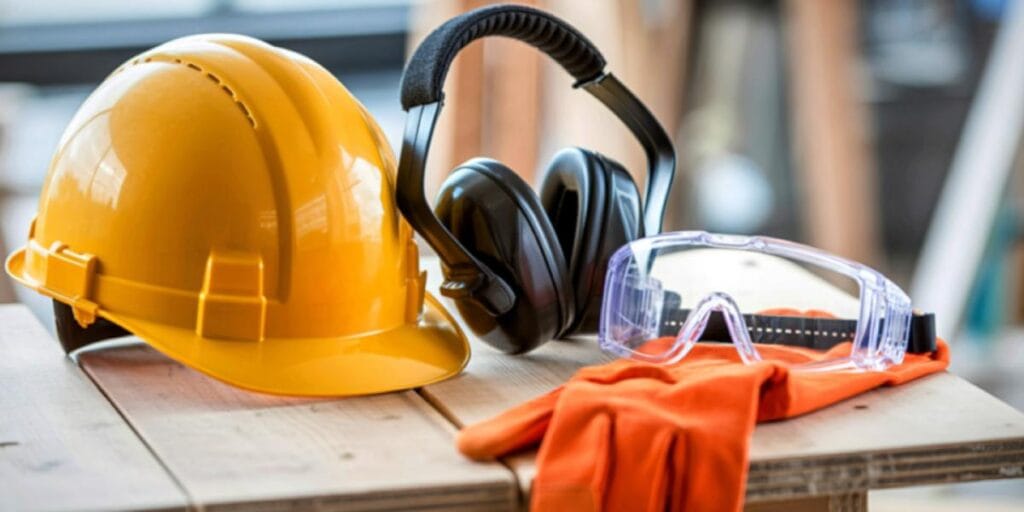
Before you start cutting, drilling, or sanding, safety should be your top priority. Having the right safety gear allows you to work with confidence.
Here are the must-have safety equipment pieces that every DIY woodworker should have in their workshop.
1. Safety Goggles
Don’t underestimate flying debris during woodworking. Even a small chip could cause serious injury, which is why safety goggles are a must.
For beginners, a comfortable pair of wrap-around goggles is enough to keep your eyes fully protected. It also helps to choose anti-fog lenses so your vision stays clear while you work on detailed projects.
2. Ear Protection
Woodworking tools can get loud, and constant exposure to noise can lead to long-term hearing damage. Ear protection helps reduce the strain on your ears while you work.
For beginners, foam earplugs or basic earmuffs work well. Choose something comfortable enough to wear for long periods so you stay protected through every cut, sand, and drill.
3. Dust Mask or Respirator
Sawdust and fine wood particles are unavoidable in woodworking, and breathing them in can harm your lungs. A dust mask or respirator is a must-have for every beginner.
A simple disposable dust mask works for occasional sanding, but for larger projects or hardwoods, a respirator with replaceable filters is ideal. Clean air is crucial for safe and comfortable woodworking.
4. Work Gloves
A good pair of work gloves protects your skin from splinters and rough lumber. However, remember this critical safety rule: Always remove your gloves when operating rotating power tools like a circular saw or drill. This prevents the fabric from getting caught in moving parts and pulling your hand into the blade.
5. Protective Clothing
Loose clothing or jewelry can get caught in machinery. Avoid long, loose sleeves and instead wear a sturdy apron or a fitted work shirt. Aprons with pockets are especially useful for keeping small tools and pencils handy.
What Every Beginner Woodworker Should Remember
Starting with the right beginner woodworking tools and proper safety gear sets the foundation for every successful build. Each tool in this list serves a specific purpose, helping you learn good habits and avoid common mistakes as you take on your first projects.
Keep your tools ready, put safety first, and enjoy the process of turning raw wood into something you are proud of.
Frequently Asked Questions for Beginner Woodworkers
What tools do I need to start woodworking as a beginner?
Beginner woodworkers need basic measuring tools, a handsaw, a circular saw, a power drill, chisels, clamps, sandpaper, an orbital sander, and safety gear. These essential woodworking tools help you make accurate cuts, assemble joints, and finish projects safely.
Do I need power tools to begin woodworking?
Not all projects require power tools, but having essential woodworking power tools like a circular saw or power drill makes the learning process easier and faster. Hand tools alone can work, but they take more time and effort.
Why are clamps important in woodworking?
Clamps keep your workpieces steady while cutting, sanding, or gluing. Without them, wood can shift, causing crooked cuts, weak joints, or unsafe handling. Every beginner woodworking tool checklist should include at least a few clamps.
Is a jigsaw necessary if I already have other saws?
Yes. A jigsaw cuts curves, shapes, and irregular lines that a circular saw or handsaw cannot handle. It deserves a spot in any beginner woodworking tools checklist.
What is the first woodworking project beginners should try?
Simple builds like shelves, small tables, or planter boxes are great for beginners. These projects help you practice measuring, cutting, sanding, and assembling using the essential woodworking tools you just learned.