
The Design Mistakes You Think Are Right but Actually Make Your Home Look Bad
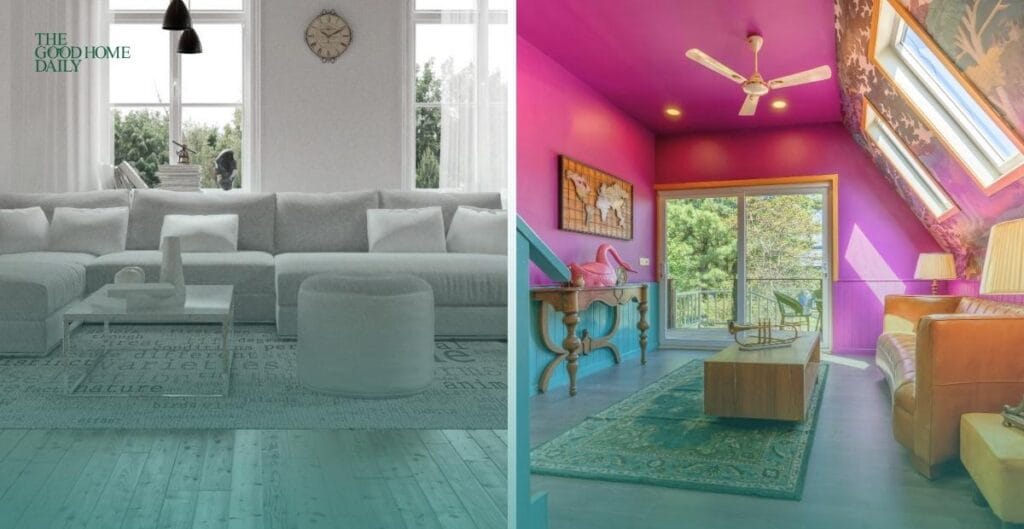
Playing it safe with neutrals is a common interior design mistake that many people do not realize they are making. Other design choices can quietly affect how your space feels. Learn what to watch out for and how to improve your layout.
By:
The Good Home Daily
Posted on July 27, 2026
When people think about design mistakes, they often assume these are obvious choices that clearly do not work. In reality, it is rarely that simple. Most of the time, we truly believe we are making the right design decision for our home, even when that choice is actually hurting our space.
Designing a home can be tricky. If you overdo it, things can quickly start to feel cluttered and overwhelming. But if you play it too safe, the whole room can end up feeling flat and lacking personality.
If you are completely new to decorating, it can also be difficult to tell why a room does not feel quite right, even when everything seems fine on the surface.
In this guide, we will look at how certain design choices can feel right at first but actually hold a space back, along with practical ways to fix them.
8 Interior Design Choices That Do Not Work the Way You Think
1. Pushing all Furniture Against the Walls
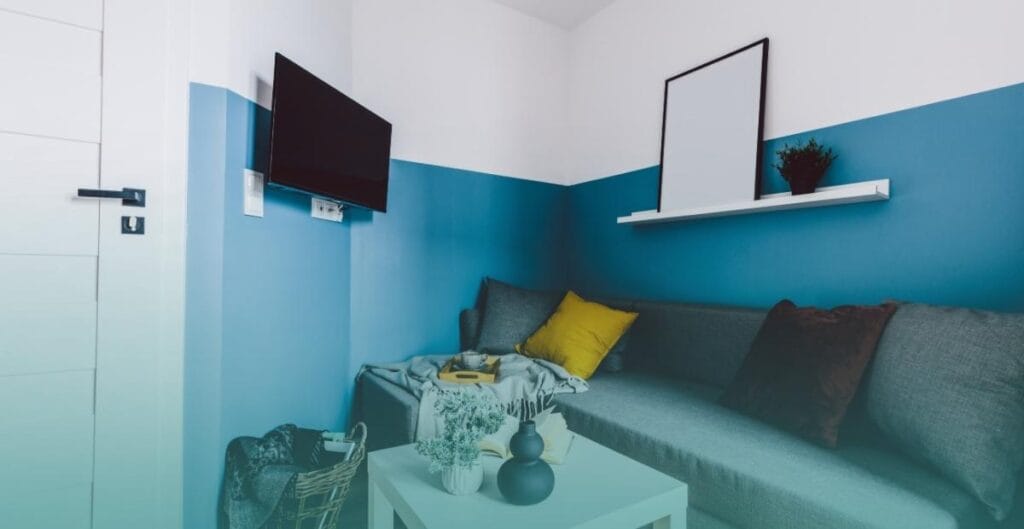
Many people do this because it feels like the simplest way to make a room look more open. It creates a clear center space and gives the impression of a wider layout.
But this often has the opposite effect. Instead of feeling open, the room can feel disconnected, with furniture that does not relate well to each other. The space may look bigger, but it does not always feel more comfortable or intentional.
A better approach is to allow furniture to float and form natural groupings based on use. For example, you can pull a sofa slightly away from the wall and place a small table or chair nearby to create a defined seating area. This creates structure and makes the room feel more cohesive.
If you are working with a small space, the goal is not to remove grouping, but to scale it properly. Use fewer pieces and keep the layout tight so each item still feels connected. Even a small separation from the wall can make the room feel more structured.
2. Choosing Smaller Furniture for Small Rooms
It is easy to assume that smaller rooms need smaller furniture. On paper, it sounds like the safest way to avoid overwhelming the space and keep everything proportional.
The problem is not necessarily the smaller furniture itself. It happens when a room is filled with too many small pieces to meet the same needs. For example, instead of having one properly sized sofa, you might end up with several compact chairs, side tables, and storage units.
While each piece looks space-friendly on its own, together they can make the room feel busy and cluttered.
At the same time, replacing everything with oversized furniture is not the answer either. A large sectional sofa squeezed into a small living room can overwhelm the space just as easily. The goal is to choose pieces that are properly scaled for the room while still serving their purpose.
3. Matching All Furniture and Finishes Too Closely
At first, matching everything seems like the easiest way to create a clean and coordinated look. When colors, materials, and finishes are consistent, the room feels safe and visually controlled.
But too much matching can also remove depth and character. When everything blends too perfectly, the space can start to feel flat, almost like a showroom rather than a lived-in home.
So, try to introduce some variation while keeping the overall look cohesive.
For example, if your dining table has a warm wood finish, you do not need matching wood tones on every other piece in the room. You could pair it with upholstered dining chairs, a metal light fixture, or decor in complementary materials.
Even subtle differences help a space feel more layered and natural, without losing cohesion.
4. Relying on a Single Overhead Light
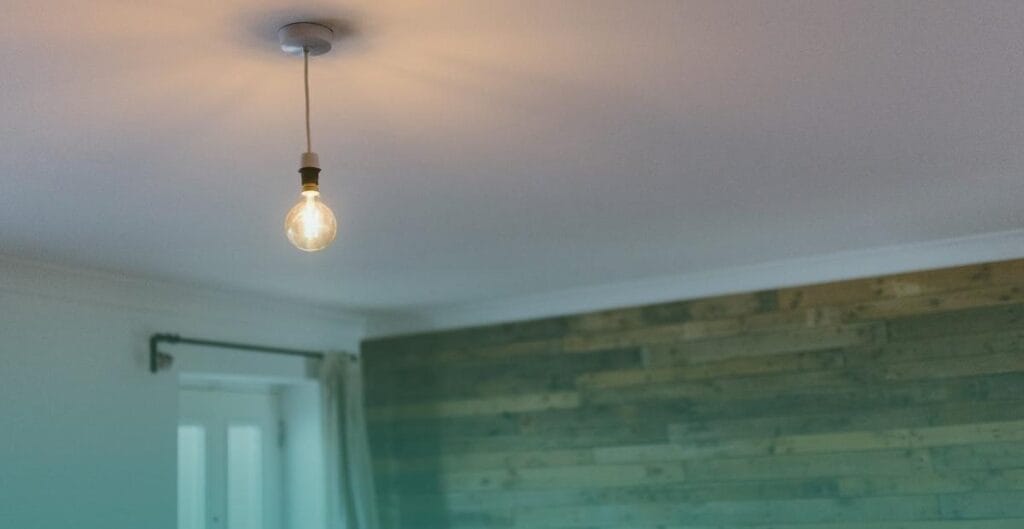
A single light source is often seen as enough to cover the entire room. It feels simple and functional, especially when the space is small.
The problem is that it can make the room feel flat and one-dimensional. Shadows are reduced, depth is lost, and the atmosphere can feel harsh or unfinished. In many cases, it can also make the room feel smaller than it really is.
To create a more balanced and inviting space, try layering different types of lighting. A table lamp beside a sofa, a floor lamp in a reading corner, or accent lighting on shelves can add warmth and depth to the room.
By combining multiple light sources, the space feels more comfortable, visually interesting, and better suited to everyday living.
5. Filling Every Space in a Room
Empty space is often seen as wasted space that should be filled. It feels like something is missing when not every area is used.
But negative space plays an important role in how a room feels. Without it, everything competes for attention, and the space can feel visually heavy.
Allowing areas to stay open helps the room feel more balanced. It gives structure and lets the design breathe.
6. Adding an Accent Wall Without a Clear Purpose
Accent walls are often used to bring more personality into a room. It feels like a safe middle ground between keeping everything neutral and committing to a bolder design choice.
The problem is that accent walls do not always achieve the effect people are hoping for. In many homes, they can end up feeling disconnected from the rest of the space, drawing attention to a single wall while making the others feel like an afterthought.
That does not mean accent walls are always a mistake. In the right setting, they can work beautifully, especially when they are part of a larger design concept. However, simply painting one wall a different color or applying a feature finish without considering the rest of the room can make the design feel incomplete rather than intentional.
7. Overusing Inspirational Quote Decor Across the Home
Inspirational quote decor is often used to fill empty walls and add a sense of personality. It feels like an easy way to make a space more meaningful and complete.
However, when used throughout the home, it can start to feel overly staged. Instead of adding character, it can make the space feel less personal and a bit one-dimensional.
A better approach is to be selective with where you use it. Quote-based decor can work well in a home office or study, where motivation feels natural. In other areas of the home, choose more personal artwork, photos, or meaningful objects to create a stronger and more authentic feel.
8. Over-relying on Neutral Tones
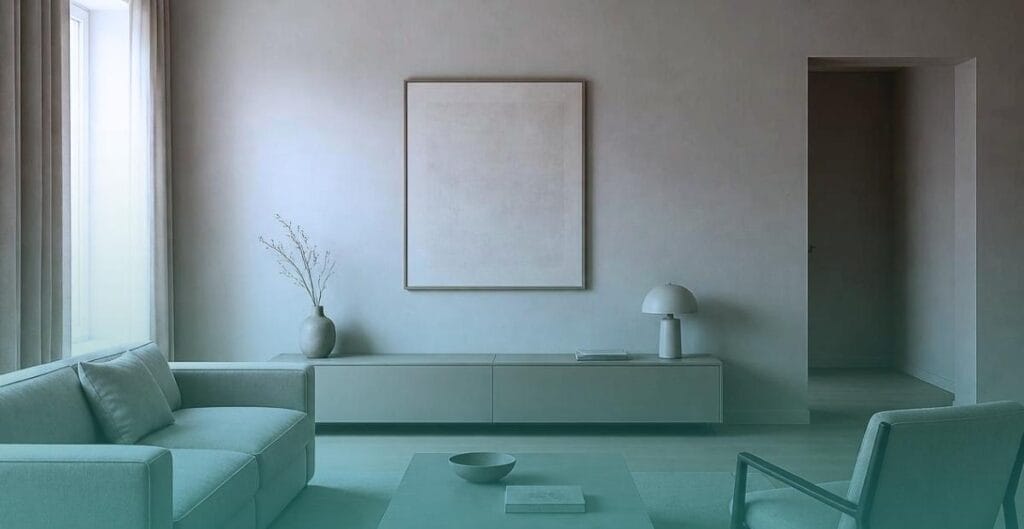
Neutral colors are often chosen because they feel safe and timeless. Many people use them to avoid clashing elements and to create a calm, cohesive look throughout the home.
However, too much neutrality can become a decorating mistake when the space starts to feel flat or lacking in depth. Without contrast or variation, rooms can lose energy and begin to feel visually dull, even if everything is well coordinated.
A more balanced approach is to follow the 60-30-10 rule. Use 60 percent as your dominant neutral base, 30 percent for a secondary supporting tone, and 10 percent for an accent color that adds character and contrast. This small amount of variation helps break monotony while keeping the overall design grounded and harmonious.
Do Not Be Afraid to Take Risks in Design
Most home design mistakes do not happen because people ignore good advice. They happen because many decisions feel correct at first glance. What works in theory does not always translate well into real living spaces. This is why many interior design mistakes only become obvious after a room is already finished.
But do not be afraid of experimenting with your space. After all, good design is rarely about getting everything “right” on the first try. It is about understanding how a space feels when you live in it, and making adjustments that support both comfort and personality.