

How to Sleep in Hot Weather Without AC During Extreme Heat in the Philippines
Practical sleep hacks to stay cool on hot nights without AC. While some of these tips might sound a bit odd at first, they are surprisingly effective at helping you get a deep rest.
By:
The Good Home Daily
Posted on June 18, 2026
The heat these days is not what it used to be. Temperatures keep climbing, and in the Philippines, some areas are already hitting dangerous heat index levels that make even staying indoors uncomfortable. You feel it most at night, when all you want is a decent sleep in hot weather.
If you do not have air conditioning, every night can feel like survival. The air is heavy, your body refuses to cool down, and every position feels off.
The good thing is, there are practical ways to help your body cool down and make your sleeping setup more comfortable. In this guide, we share simple sleep hacks for hot weather, so you can finally get the rest you need.
Why It Is Hard to Sleep in Hot Weather
Large-scale studies analyzing millions of sleep records worldwide show that higher temperatures consistently reduce both sleep duration and quality. Global data also suggests that rising temperatures are already cutting into sleep today, with even greater losses expected during the hottest months.
In already hot climates, even small increases in nighttime temperature can lead to shorter sleep, delayed sleep onset, and more frequent waking.
So, how exactly does heat disrupt sleep?
It is not just about discomfort. Heat directly interferes with how your body prepares for sleep. Sleep depends on your ability to cool down. As you get ready for rest, your core temperature naturally drops to signal that it is time to sleep. To support this, your body releases heat through your skin in a process called peripheral vasodilation, helping you transition into deeper sleep stages.
When the environment is too warm, this process breaks down. Your body struggles to release heat, so your core temperature stays elevated. This is where heat and sleep problems begin. Instead of settling into rest, your body stays in a more active state, with increased heart rate and breathing as it tries to regulate temperature. This makes it harder to reach Slow Wave Sleep (SWS), the stage responsible for deep physical recovery.
When your body cannot cool down properly, deep sleep decreases while wakefulness increases. This is why hot nights often result in restless, fragmented sleep and waking up still feeling tired.
What Is the Best Temperature for Sleep, According to Experts?
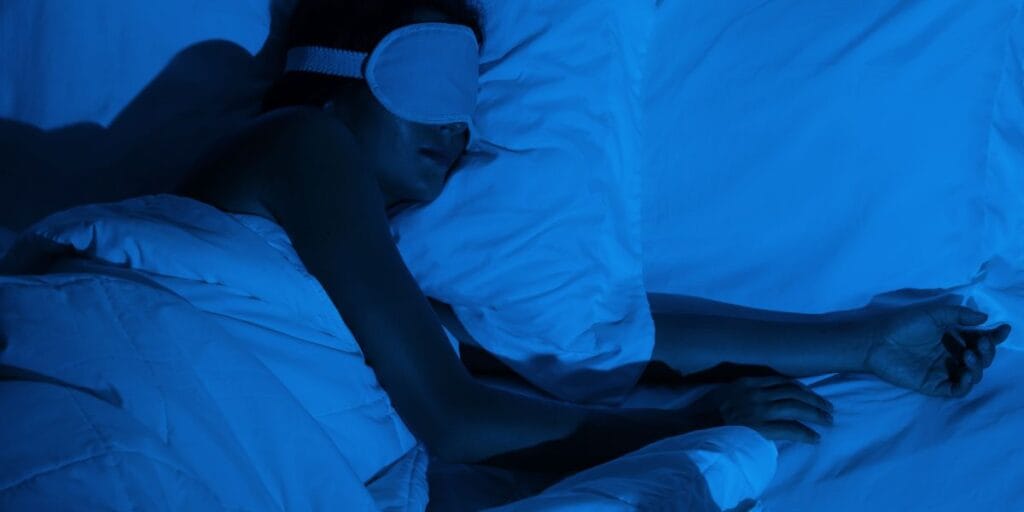
Sleep experts generally recommend keeping your bedroom temperature around 15 to 19°C (60 to 67°F). This range supports the body’s natural cooling process, allowing your core temperature to drop and helping you fall into deeper, more stable sleep.
But in the Philippines, reaching that temperature is not always realistic. Nighttime heat and humidity make it difficult to create that ideal setting, especially without air conditioning.
Interestingly, some studies show that a slightly warmer environment can still support better sleep. One study found that 32°C resulted in better sleep than 28°C because it falls within a “thermal neutral” zone. At this range, the body does not need to work as hard to stay cool or warm, allowing it to relax more easily.
10 Sleep Hacks to Survive Hot Nights Without AC
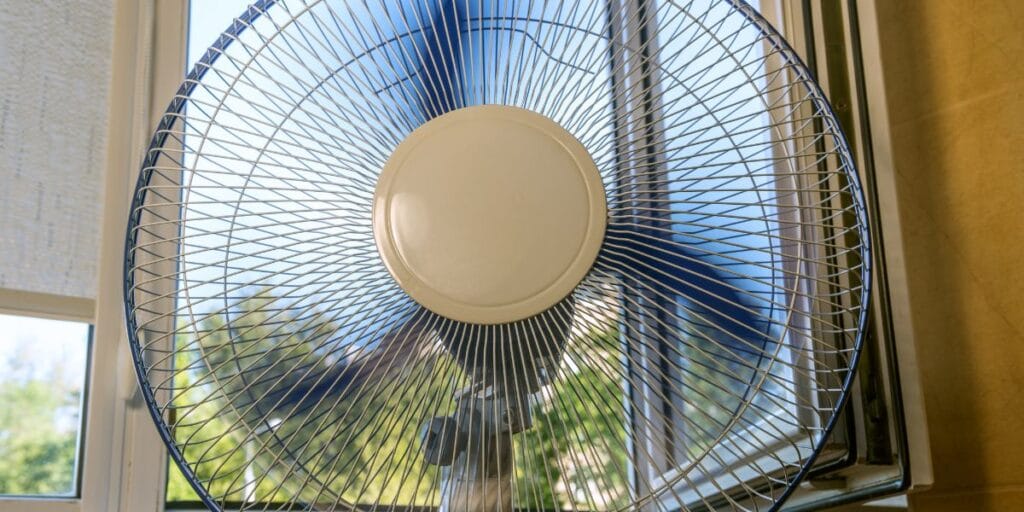
When the heat makes it hard to rest, small adjustments can make a big difference. Here are simple, practical tips to help you sleep better in hot weather without relying on air conditioning.
1. Improve airflow in your bedroom using a fan
A fan is not just about “cooling the room,” but about moving air across your skin. When air circulates, it helps sweat evaporate, which is one of the body’s natural cooling mechanisms. Without airflow, heat gets trapped around your body, making you feel warmer even if the room temperature remains the same.
Positioning also matters. Instead of pointing the fan randomly, aim it where air can pass across your sleeping area. This increases heat release through your skin and helps your body transition into a cooler resting state.
2. Sleep lower to the ground
Heat naturally rises, which means the upper parts of a room are usually warmer. Sleeping closer to the floor can expose you to slightly cooler air, especially in poorly ventilated rooms.
This is why some people place mattresses directly on the floor during extreme heat. It is a simple way to avoid the hottest air layer and reduce the burden on your body’s cooling process.
3. Take a lukewarm shower before bed
It may sound odd, but a lukewarm shower helps regulate your body temperature before sleep. It encourages gentle cooling without triggering the body’s rebound effect, which can happen after very cold showers.
Here is why it works for the heat: when you take a freezing cold shower, your body panics. It views the sudden drop in temperature as a threat and actively tries to retain heat by constricting your blood vessels. Once you step out, your core temperature actually spikes, making you feel even hotter.
Lukewarm water does the opposite. It keeps your blood vessels open, allowing your body to naturally release heat through your skin (peripheral vasodilation) so you can settle into a cooler resting state.
4. Use a cooling mat
Many of us already buy these to keep our dogs comfortable in the heat. And yep, it absolutely works for humans, too. Just make sure to get a brand new one for yourself!
Cooling mats work by reducing heat retention between your body and the surface you are sleeping on. Unlike foam mattresses that trap warmth, cooling materials allow better heat dissipation.
This is important because a large portion of body heat gets trapped through contact surfaces. Reducing that heat buildup helps your body settle into deeper rest more easily.
5. Freeze your pillowcase
Your head plays a big role in temperature regulation during sleep. Cooling the pillow area helps reduce overall heat sensation and can make it easier to fall asleep faster.
By briefly freezing or chilling the pillowcase, you create a cooler contact point for your head, which helps lower perceived temperature and supports relaxation.
Just remember to keep it completely dry. Always place the pillowcase inside a clean, sealed plastic bag before putting it in the freezer. This prevents the fabric from absorbing moisture, condensation, or freezer odors.
6. Avoid heavy meals late at night
Digestion generates heat as your body breaks down food. Eating heavy meals late at night keeps your metabolism active, which makes it harder for your body to cool down.
This extra internal heat can delay sleep onset and keep your body in a more alert state when it should be winding down.
7. Choose the right fabrics
Clothing and bedding materials affect how well your body releases heat. Breathable fabrics like cotton allow air circulation, while synthetic materials tend to trap heat and moisture.
Choosing lighter fabrics helps sweat evaporate properly, supporting your body’s natural cooling process during sleep.
8. Stay hydrated, but do not drink too much water right before bed
Hydration helps regulate body temperature, especially in hot environments. When your body is well hydrated, it can sweat more efficiently, which supports cooling.
However, drinking too much water right before bed can disrupt sleep due to frequent trips to the bathroom, so balance is key.
9. Apply cooling mist or powder
Cooling mist or body powder helps reduce surface heat and moisture on the skin. This improves evaporation, which is one of the body’s main cooling methods.
By keeping the skin drier and cooler, you reduce heat buildup that can make sleep uncomfortable.
10. Create an artificial dusk
Your body uses light as a signal for sleep. Bright light and screens can delay melatonin production, which makes it harder to feel sleepy, especially in already stressful hot conditions.
Around two hours before bed, reduce lighting, close curtains, and dim screens. This helps your body shift into a “night mode,” making it easier to fall asleep even when temperatures are high.
Better Sleep on Hot Nights: What to Remember
We hope these sleep hacks help you get through the hottest nights with a little more comfort and rest.
Prioritizing sleep is not just about comfort; it is about protecting your overall health. Consistently poor sleep due to heat can build up over time and may lead to more serious issues. Even if nights feel difficult, finding ways to support better rest should remain a priority.
Finally, stay properly hydrated during the day to help your body regulate temperature more efficiently. Just be mindful not to drink too much right before bed, as it can interrupt your sleep with frequent waking.