
What Items to Prepare for the Rainy Season in the Philippines: Monsoon Season Checklist
The past few weeks have shown just how quickly the rainy season can turn dangerous in the Philippines. In August alone, four tropical cyclones entered the Philippine Area of Responsibility, causing severe flooding, landslides, and sadly leaving more than 30 people dead across the country. And the rainy season isn’t
By:
The Good Home Daily
Posted on September 9, 2026
The past few weeks have shown just how quickly the rainy season can turn dangerous in the Philippines. In August alone, four tropical cyclones entered the Philippine Area of Responsibility, causing severe flooding, landslides, and sadly leaving more than 30 people dead across the country.
And the rainy season isn’t over yet. With it typically lasting until November, more heavy rains and extreme weather may still be ahead. In fact, according to PAGASA, July through October mark the country’s peak typhoon season.
So, instead of waiting for the next storm to hit, make sure you have your rainy essentials ready at home. (We also put together a guide on how to prepare for the rainy season; be sure to check it out.)
For this checklist, we’re focusing on the things you can buy and prepare ahead of time. Here are the essential items to have on hand for the wet months ahead.
8 Items to Prepare for the Monsoon Season
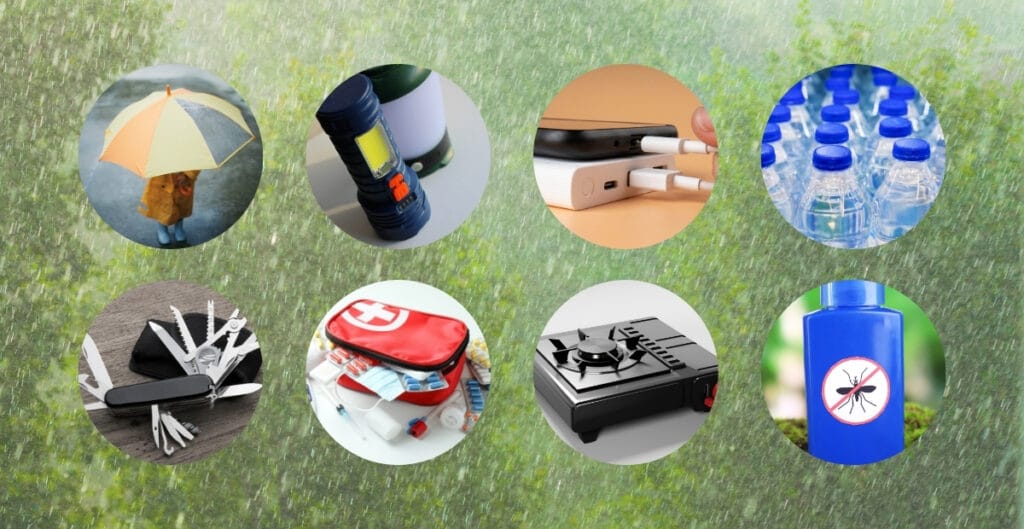
1. Rain Gears
Let’s start with the basics. You likely already own these rainy season essentials, but now is a good time to check if they’re still working, easy to find, and ready for the next downpour.
Umbrella
An umbrella is your first line of defense against unexpected rain. Choose one that’s sturdy, wind-resistant, and compact enough to carry with you every day.
Raincoat or Waterproof Jacket
Unlike an umbrella, a raincoat keeps both hands free and provides better coverage during heavy rain. It’s also your best and probably the only option for staying dry when riding a motorcycle or using motorcycle-hailing services. Look for one that’s lightweight, waterproof, and easy to fold into your bag.
2. Rechargeable Emergency Light and Flashlight
Power outages are common during heavy rains and typhoons, so having a reliable source of light at home is a must. Before the rainy season starts, make sure you have at least one rechargeable emergency light or flashlight that’s ready to use.
3. Extra Batteries and Power Bank
Power outages can last for hours or even days during severe weather. Keep extra batteries for flashlights and other battery-operated devices. Also, keep a fully charged power bank so you can keep your phone powered for emergency calls, weather updates, and communication with your family.
4. Bottled Drinking Water and Ready-to-Eat Food
Heavy rains, flooding, and power outages can make it difficult to leave your home or prepare meals. So, keep bottled drinking water and ready-to-eat food, such as canned goods, crackers, instant noodles, and other non-perishable items.
Ideally, you would want to prepare at least a three-day supply of bottled drinking water and non-perishable food. This is generally enough to help your household get through the initial impact of severe weather.
5. First Aid Kit and Maintenance Medicines
Minor cuts, burns, and other injuries can happen during heavy rains, while flooded roads and bad weather may make it difficult to visit a pharmacy. Keep a well-stocked first aid kit with essentials like bandages, antiseptic solution, gauze, and pain relievers.
If you or a family member takes maintenance medicines, keep at least a one-week supply on hand. This supply provides extra time in case pharmacies are closed, deliveries are delayed, or roads remain impassable.
6. Portable Butane Stove
If your home relies on an electric stove or induction cooker, a power outage can make meal preparation impossible. That is why you need a portable butane stove as a reliable backup for cooking meals. Just make sure you have extra butane canisters and always use the stove in a well-ventilated area.
7. Multi-Purpose Tool
A multi-purpose tool can come in handy during the rainy season, whether you need to cut rope, open a package, or make quick repairs around the house. Choose one with essentials like a knife, screwdriver, scissors, bottle opener, and pliers. Keep it in an easy-to-reach place for emergencies.
8. Mosquito Repellent
After days of rain, mosquitoes can quickly multiply in areas with standing water. Keep mosquito repellent on hand to help prevent bites and lower the risk of diseases like dengue.
6 Rainy Season Survival Essentials for Flood-Prone Homes
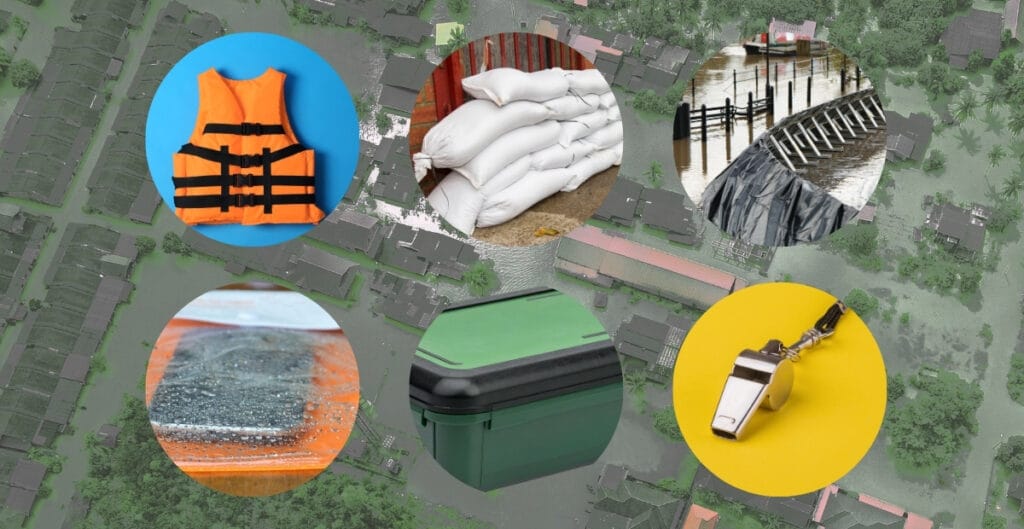
If your home is in a flood-prone area, you may need a few extra essentials beyond the basic rainy season checklist we mentioned above. These items can help protect your belongings and make evacuation safer if floodwaters rise.
Tip: Check the official PAGASA Flood Hazard Maps or Project NOAH to understand how prone your area is to flooding.
1. Waterproof Document Organizer
Store birth certificates, passports, land titles, insurance papers, and other important documents in a waterproof document organizer or zip-lock bags. Keep them in an easy-to-grab location in case you need to evacuate quickly.
2. Waterproof Storage Boxes
Protect clothes, electronics, and emergency supplies from water damage by storing them in sealed waterproof containers. Clear plastic storage boxes also make it easier to find what you need.
3. Emergency Whistle
If you become trapped or need assistance, an emergency whistle is much louder and easier to hear than shouting. Keep one in your go bag or wear it on a lanyard during evacuations.
4. Sandbags
If floodwater regularly enters your home, sandbags can help reduce water from flowing through doors, gates, and other low entry points. Place them before flooding begins, as they’re much less effective once water has already entered.
5. Flood Control Products
If floodwater regularly reaches your property, consider using flood barriers or other flood-control products around doors, gates, and other low entry points. Residents in Noveleta, Cavite recently demonstrated a DIY flood barrier using foam, a plain sheet, and tubular steel.
In a viral video, the barrier appeared to significantly reduce the amount of water entering the property despite heavy flooding outside.
Keep in mind that these barriers work best when placed before floodwaters rise and should not replace evacuation when authorities advise leaving.
6. Life Vest or Personal Flotation Device
If your community experiences deep or fast-rising floodwaters, keep properly fitted life vests at home, especially for children, older adults, and anyone who isn’t a confident swimmer. They can provide extra protection during evacuation.
Bonus Checklist: Rainy Season Items That Make Life Easier
The essentials above will help you stay prepared (and survive) the rainy season. But if you want to make rainy days a little more comfortable and convenient, these bonus items are definitely worth considering.
1. Dehumidifier
The rainy season often brings high humidity, which can leave your home feeling damp and encourage mold and mildew growth. A dehumidifier helps remove excess moisture from the air, making your living space more comfortable while protecting furniture, clothes, and other belongings.
2. Electric Shoe Dryer
Wet shoes can take days to dry naturally, especially during weeks of continuous rain. An electric shoe dryer helps dry footwear faster, reduces unpleasant odors, and keeps your shoes ready for your next commute.
3. Heavy-Duty Doormat
Rainy days often mean muddy shoes and wet footprints. A heavy-duty doormat helps trap dirt and absorb moisture before it gets inside your home.
4. Waterproof Phone Case
Whether you’re walking in the rain or commuting, a waterproof phone case helps protect your phone from water damage without limiting its everyday use. It’s a practical investment if you’re often outdoors during the rainy season.
5. Microfiber Towel
A microfiber towel absorbs water quickly and dries much faster than a regular towel. It’s lightweight, compact, and perfect for keeping in your bag or car so you’re always prepared for unexpected rain.
Important Health Reminder
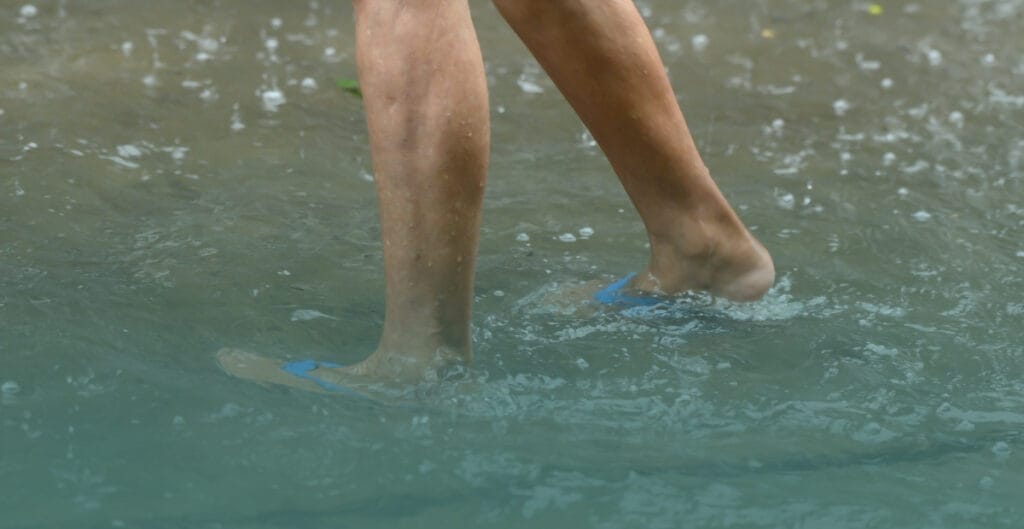
If you come into contact with floodwater or mud, consult a health professional as soon as possible to assess your risk of leptospirosis and determine if preventive treatment is needed.
Some local health centers and clinics offer free preventive medicine for people exposed to floodwater. From January 1 to August 22, DOH recorded 6,253 leptospirosis cases, while 378 deaths were reported from January 4 to August 29.
Stay One Step Ahead This Rainy Season
The rainy season in the Philippines lasts for 6 months. Do you think you’re well prepared for this period?
Start with the essentials, check what you already have at home, and gradually add the items you still need before heavy rains and typhoons arrive.
A little preparation today can save you from unnecessary stress when the weather takes a turn. We hope this rainy season checklist helps you protect your home and stay safe and comfortable throughout the rainy season in the Philippines.
Frequently Asked Questions
What are the essential items to prepare for the rainy season?
The most important rainy season essentials include rain gear, emergency lighting, backup power sources, bottled drinking water, ready-to-eat food, a first aid kit, maintenance medicines, and basic tools. If you live in a flood-prone area, consider preparing an emergency go bag and waterproof storage for important documents.
How much food and water should I prepare for the rainy season?
Prepare at least a three-day supply of bottled drinking water and non-perishable food for every member of your household. This provides enough essentials to get through the initial impact of severe weather while avoiding unnecessary trips outside.
What should I include in an emergency go bag?
An emergency go bag should include bottled water, ready-to-eat food, clothes, toiletries, maintenance medicines, a flashlight, phone charger or power bank, cash, copies of important documents, and other personal necessities. Store it in an accessible place in case evacuation becomes necessary.
When should I start preparing for the rainy season?
It’s best to prepare before the rainy season begins or before the peak typhoon months. Buying supplies early helps you avoid last-minute rushes and potential shortages during severe weather.